Frequently Asked Questions
Can a deep bite cause clenching and grinding?
Yes, a deep bite can lead to clenching and grinding. The misalignment of teeth may cause discomfort, prompting individuals to unconsciously grind their teeth, which can result in further dental issues and jaw pain.
Does correcting deep bite elongate face?
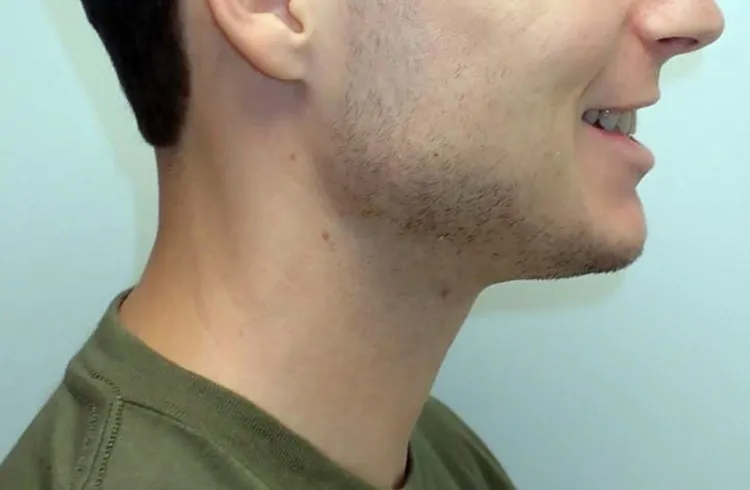
Correcting a deep bite can lead to a more balanced facial appearance, which may create the illusion of elongation. However, the primary goal is to improve function and aesthetics rather than specifically elongating the face.
Can I use Invisalign for severe deep bite?
Invisalign can be effective for treating severe deep bites, but it often requires a comprehensive treatment plan that may include additional methods like expanders or surgery. Consult with an orthodontist to determine the best approach for your specific case.
Does correcting a deep bite change your face?
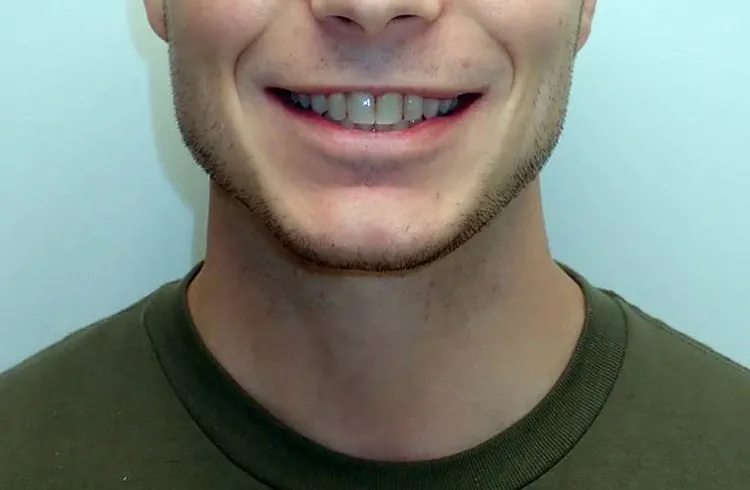
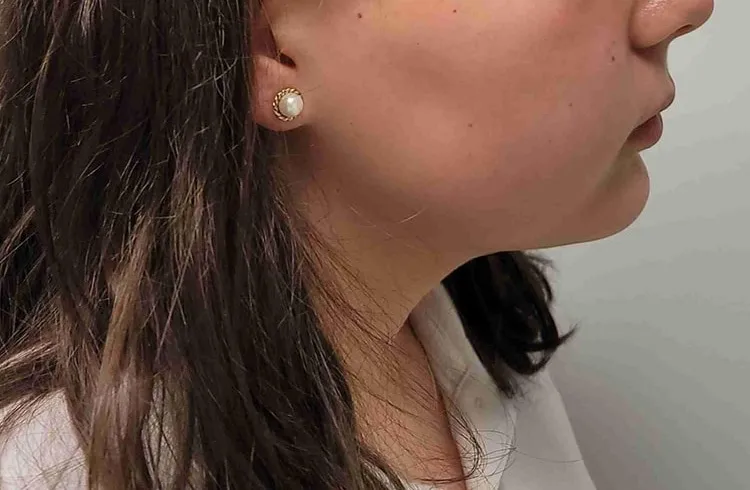
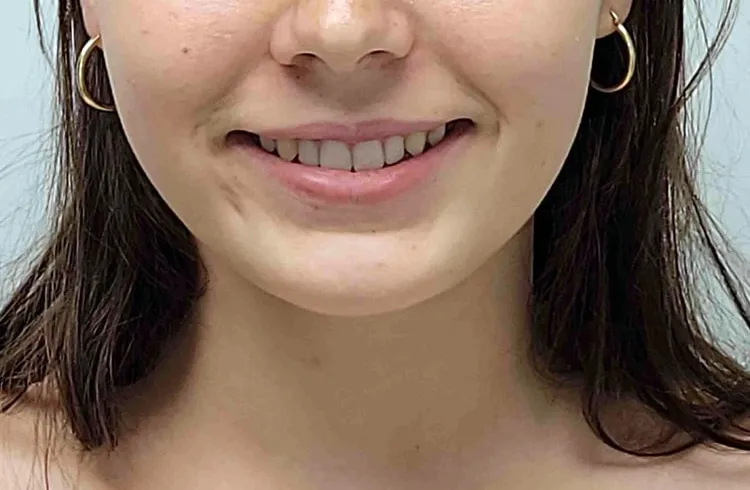
Yes, correcting a deep bite can change the appearance of your face. By aligning the teeth and jaw properly, it can enhance facial symmetry and profile, leading to a more balanced and aesthetically pleasing look.
Should teeth have a deep bite?
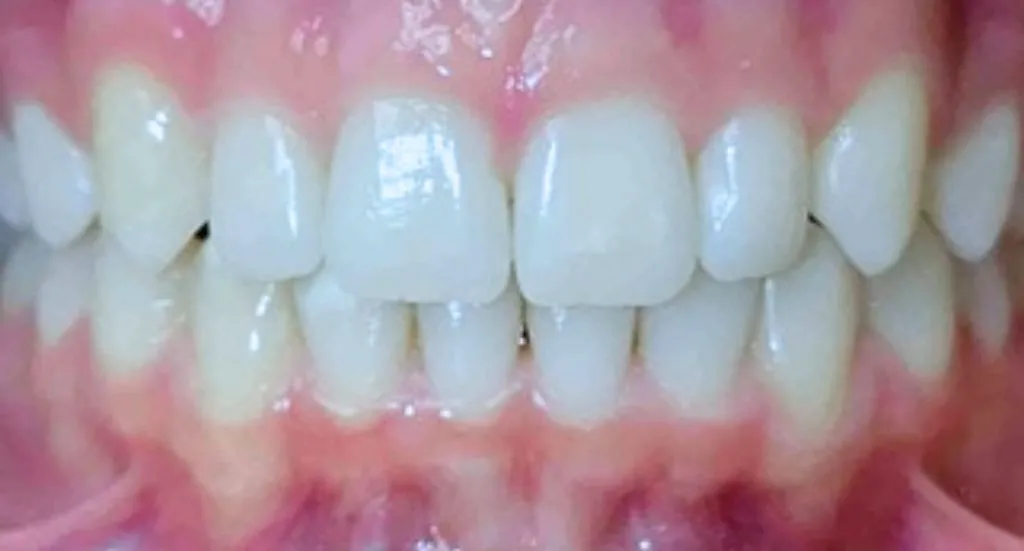
No, teeth should not have a deep bite. An ideal bite allows the top teeth to slightly cover the bottom teeth, while a deep bite can lead to dental issues, discomfort, and potential health complications.
How do I know if I have a deep bite?
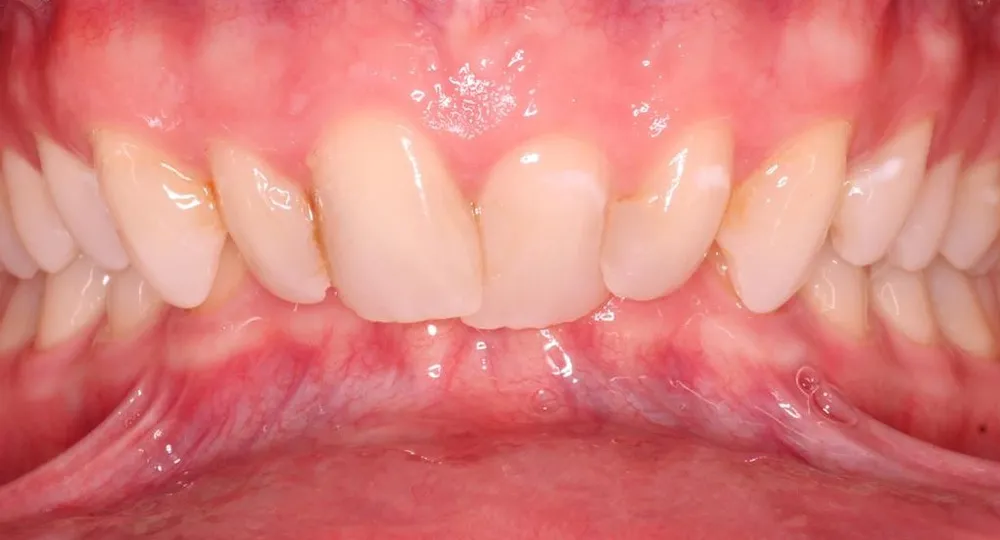
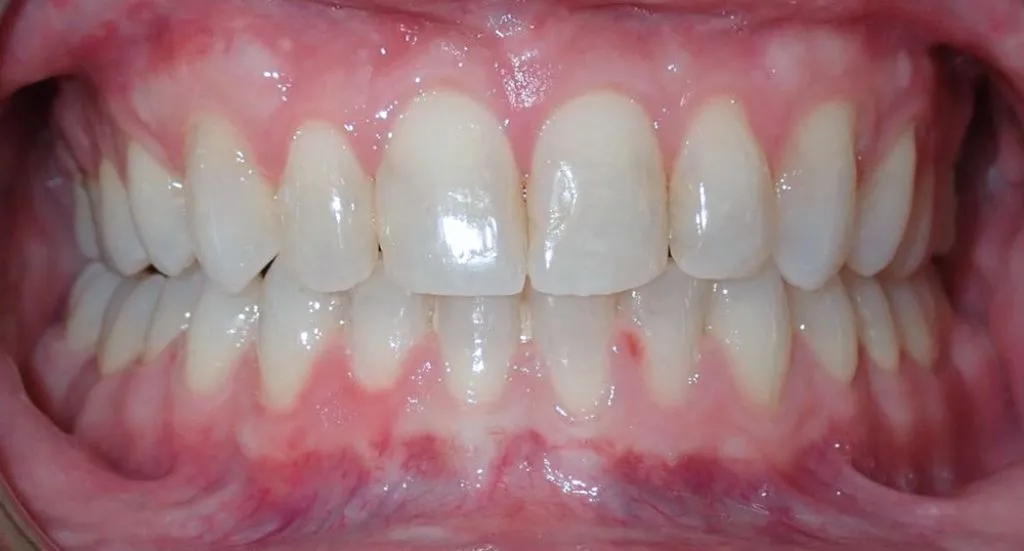
You may have a deep bite if your top teeth significantly overlap your bottom teeth, causing discomfort or gum contact when biting. A dental professional can provide a thorough evaluation to confirm the diagnosis and discuss potential treatment options.
Can wisdom teeth cause a deep bite?
Wisdom teeth can contribute to a deep bite if they become impacted or misaligned, leading to shifts in the positioning of other teeth. This misalignment may exacerbate existing bite issues or create new ones, affecting overall dental health.
Can Invisalign fix deep bite?
Yes, Invisalign can effectively fix a deep bite by gradually aligning the teeth and correcting the bite relationship. Our orthodontic team will assess your specific needs to determine the best treatment plan for optimal results.
Does a deep bite need to be corrected?
Yes, a deep bite should be corrected to prevent potential dental issues, such as tooth and tissue trauma, discomfort, and complications like TMJ. Proper treatment improves oral function and contributes to overall health and well-being.
What are the side effects of a deep bite?
A deep bite can lead to several side effects, including tooth and gum trauma, increased wear on teeth, jaw pain, and potential TMJ disorders. It may also affect speech, chewing, and overall oral health if left untreated.
How can a deep bite affect your health?
A deep bite can lead to various health issues, including chronic pain, tooth and gum trauma, and complications with jaw function. It may also contribute to breathing difficulties and TMJ disorders, impacting overall well-being.
Do I need to get teeth pulled to fix my deep bite with Invisalign?
In many cases, teeth do not need to be pulled to fix a deep bite with Invisalign. Treatment is often effective through careful adjustments and aligner usage, but your orthodontist will determine the best approach based on your individual needs.
How deep should your bite with braces on teeth be?
Your bite with braces should ideally have the top teeth slightly overlapping the bottom teeth, allowing for a comfortable fit without excessive pressure. This alignment helps ensure proper function and reduces the risk of dental issues during treatment.
Can braces fix deep bite?
Yes, braces can effectively fix a deep bite by gradually realigning the teeth and jaw. This treatment helps improve the bite's function and aesthetics, leading to a healthier smile and better oral health.
What is a deep bite in teeth?
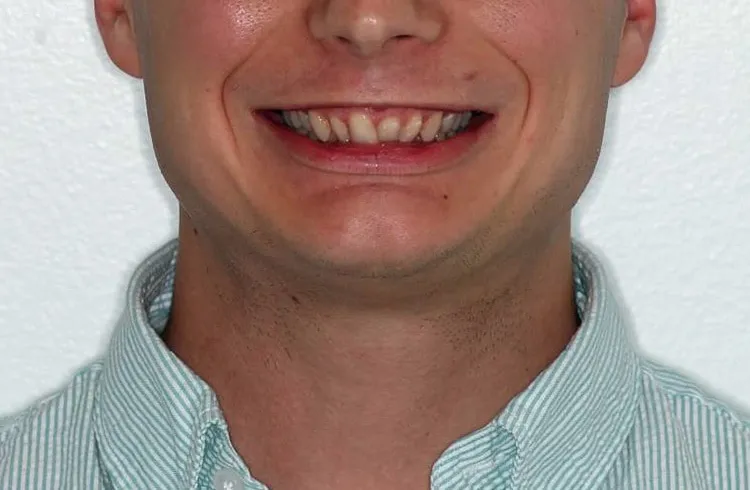
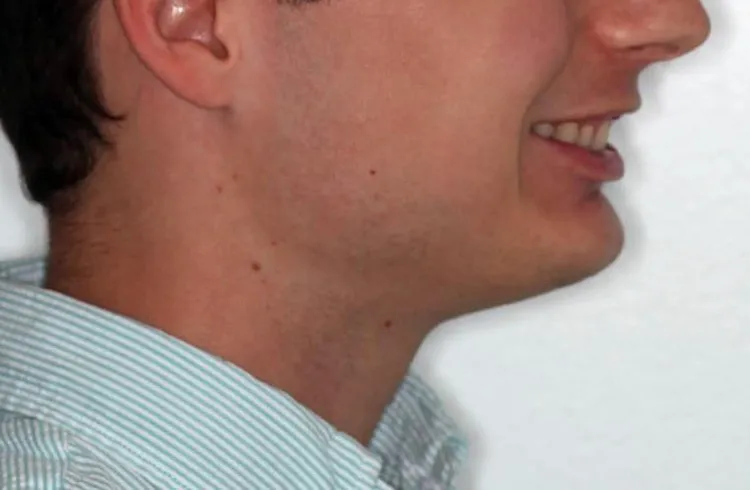
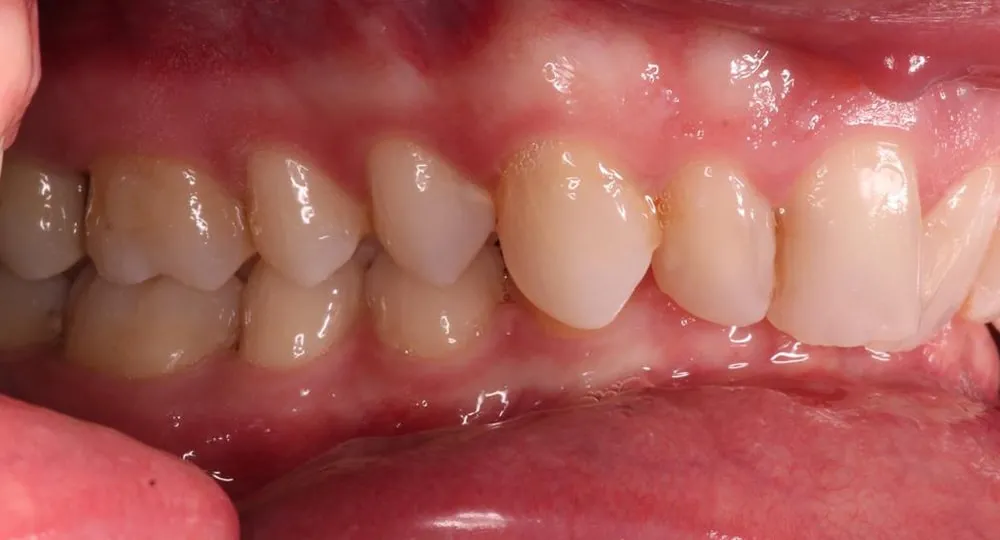
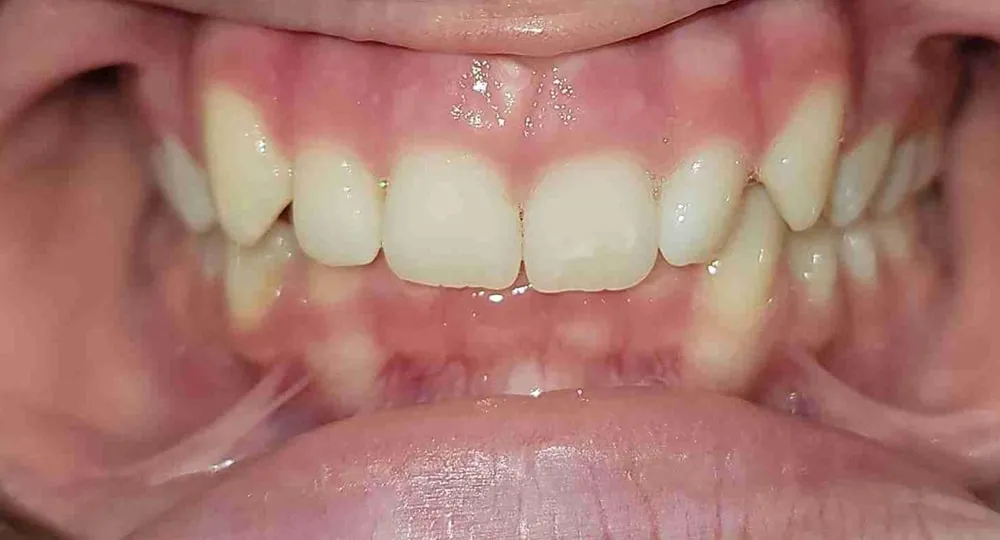
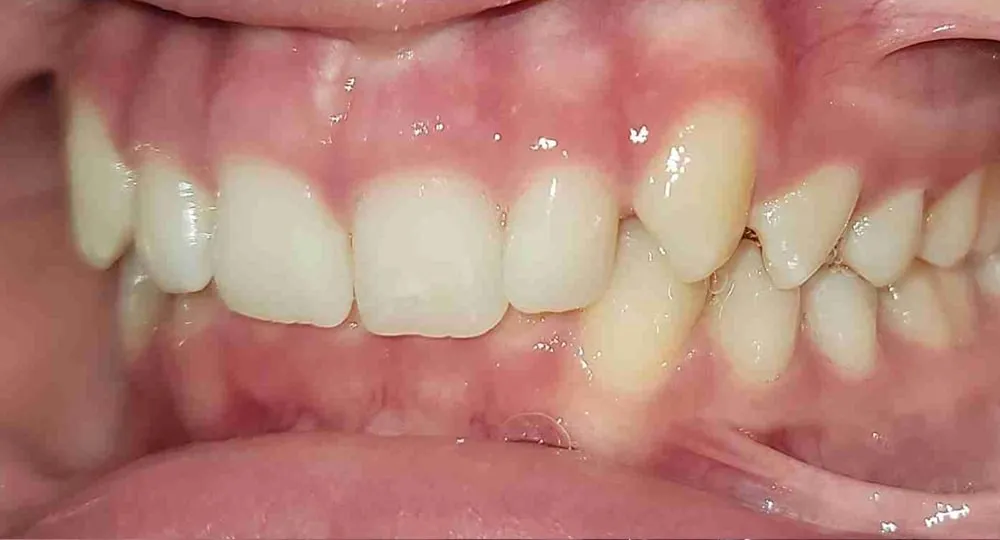
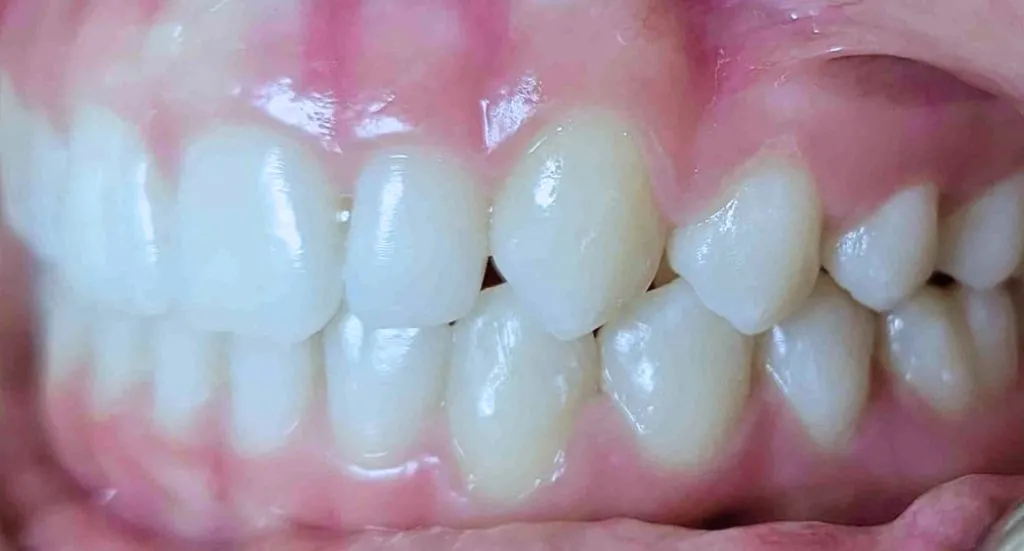
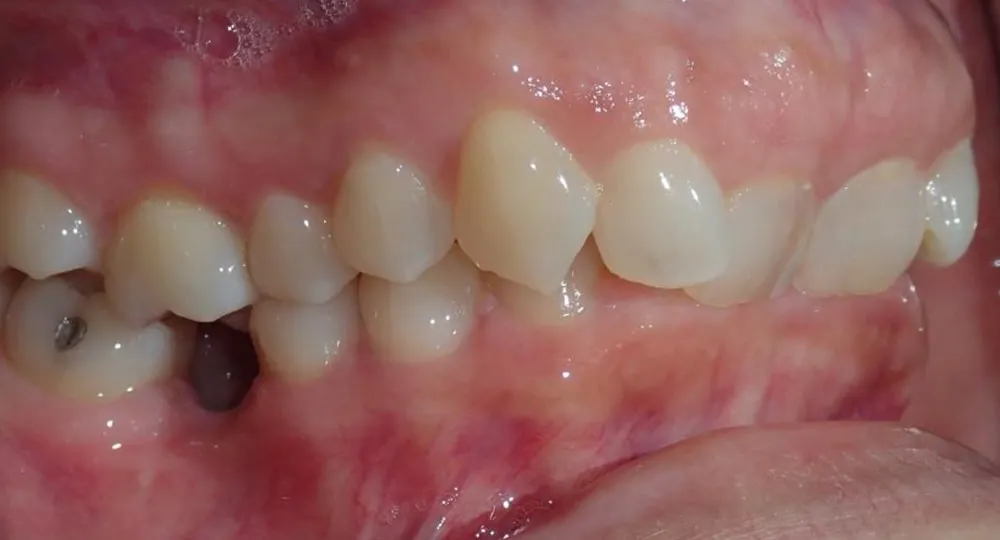
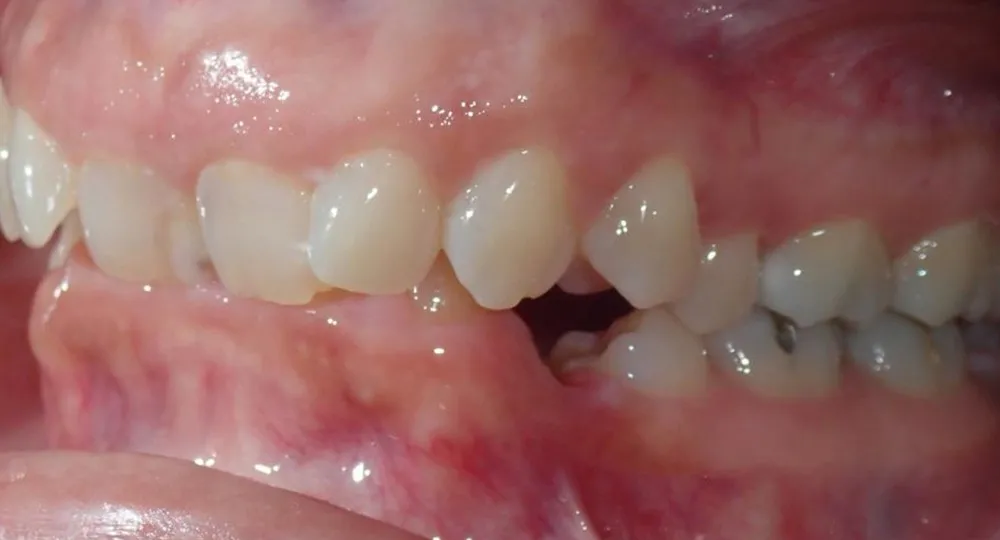
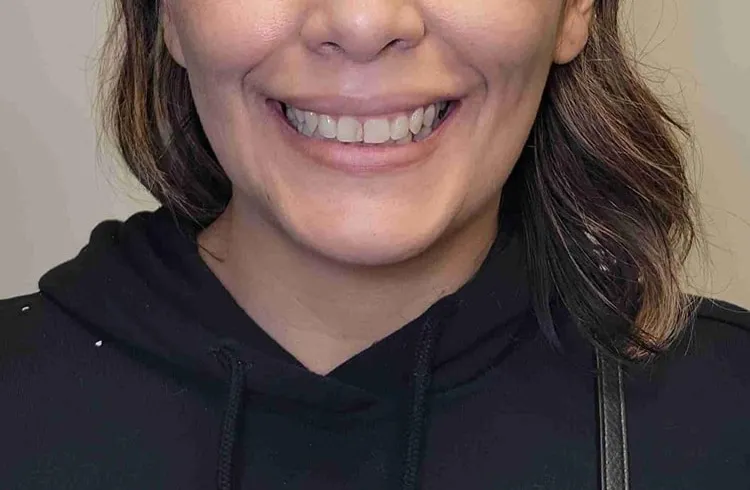
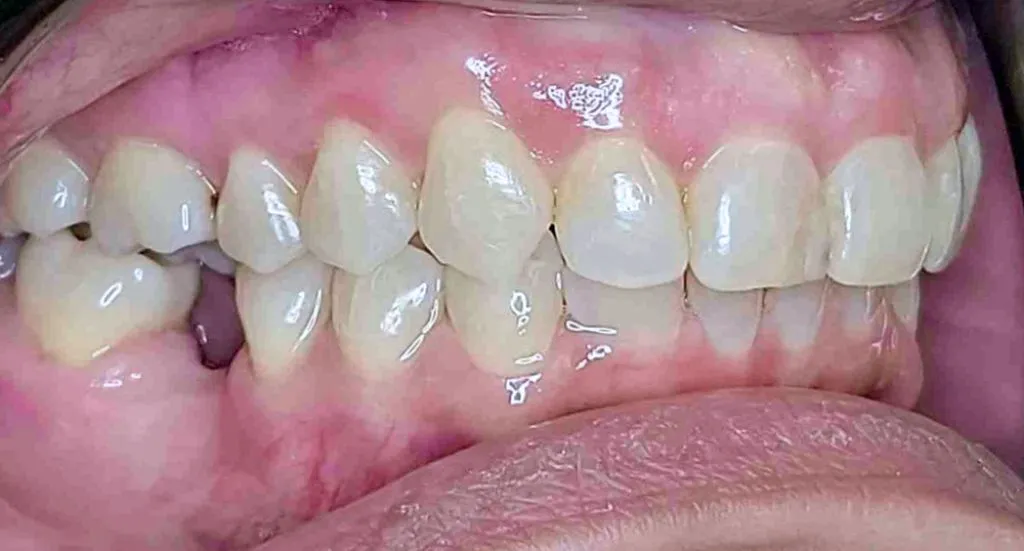
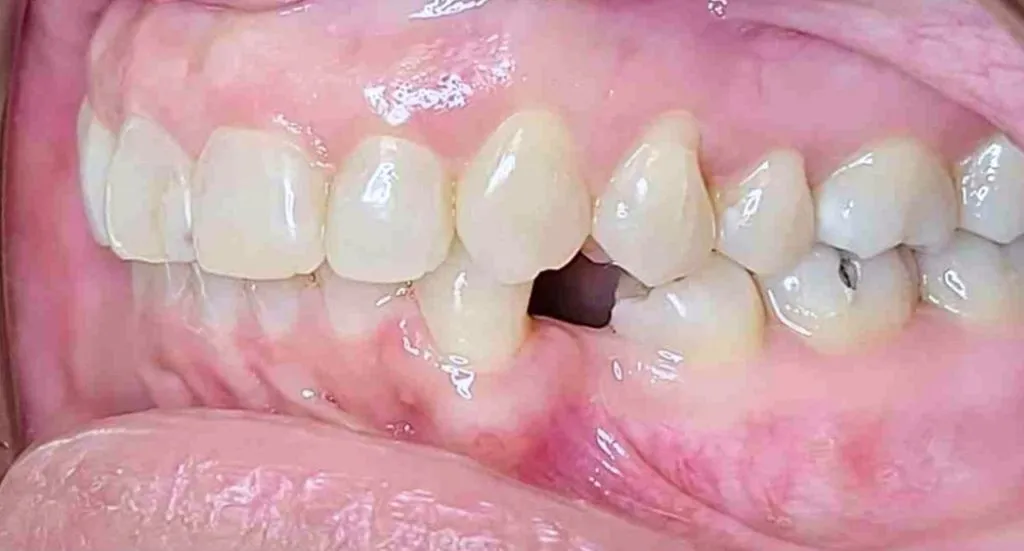
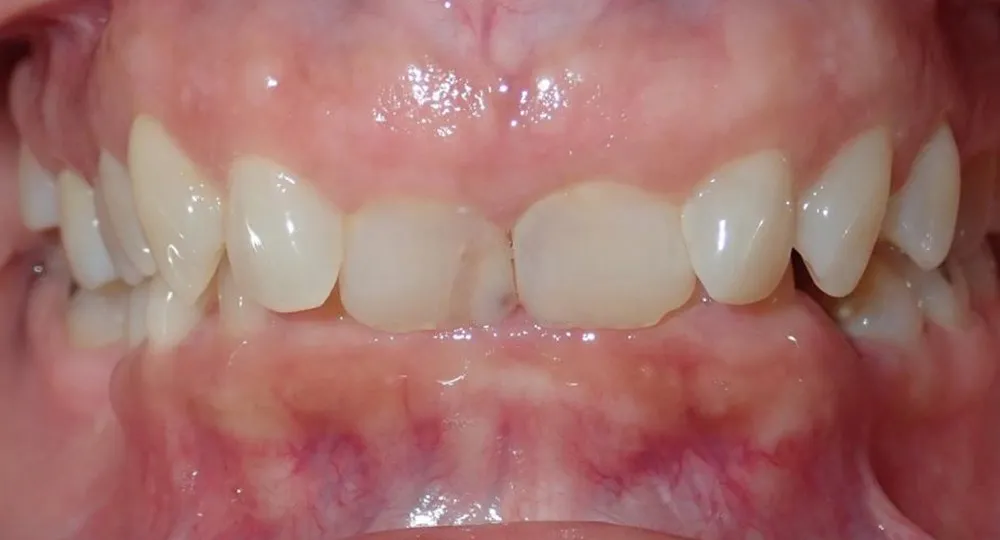
A deep bite, also known as an overbite, occurs when the upper teeth significantly overlap the lower teeth, often causing the front teeth to bite into the gums of the opposite arch.
Can you correct a deep bite with Invisalign?
Yes, a deep bite can be effectively corrected with Invisalign. This treatment utilizes clear aligners to gradually reposition teeth, improving bite alignment and enhancing overall smile aesthetics. Consult with our orthodontic team to determine the best approach for your specific needs.
How teeth move during deep bite correction?
During deep bite correction, teeth are gradually shifted into their proper positions using orthodontic appliances like braces or Invisalign. These devices apply controlled forces, allowing teeth to move horizontally and vertically, ultimately achieving a balanced bite and improved alignment.
Can you fix a deep bite with mewing?
Mewing may help improve jaw alignment and facial structure over time, but it is unlikely to fully correct a deep bite. For significant issues, consulting an orthodontist for professional treatment is recommended.
Does a deep bite go away on its own?
A deep bite typically does not resolve on its own. Without intervention, it can lead to further dental issues and discomfort. Consulting an orthodontist is essential for effective treatment and to prevent complications.
How teeth move during deep bite correction animation?
During deep bite correction, teeth gradually shift into proper alignment through controlled movements. Animation illustrates how braces or aligners apply gentle pressure, allowing teeth to reposition, improve bite function, and enhance overall smile aesthetics.
What causes a deep bite condition?
A deep bite condition is primarily caused by an imbalance in jaw development, where the upper jaw grows more than the lower jaw. Additionally, prolonged thumb sucking or pacifier use during childhood can alter the shape of the mouth and teeth alignment.
How does a deep bite impact chewing?
A deep bite can hinder effective chewing by causing the upper teeth to overlap the lower teeth excessively, leading to improper alignment. This misalignment may result in difficulty breaking down food, discomfort, and potential wear on the teeth.
Are deep bites linked to TMJ disorders?
Yes, deep bites can be linked to TMJ disorders. When the upper teeth significantly overlap the lower teeth, it may lead to misalignment and stress on the jaw joints, potentially causing pain and dysfunction associated with TMJ disorders.
Can deep bites lead to speech issues?
Yes, deep bites can lead to speech issues. The misalignment of teeth affects tongue placement and airflow, potentially causing difficulties in pronouncing certain sounds clearly. Early orthodontic intervention can help correct these issues and improve speech clarity.
What non-surgical treatments correct deep bites?
Non-surgical treatments for correcting deep bites include Invisalign aligners, braces, and palatal expanders. These options effectively realign teeth and improve bite function without the need for surgical intervention.
How do deep bites affect facial symmetry?
Deep bites can lead to facial asymmetry by causing uneven pressure on the jaw and teeth, which may alter the alignment of facial features over time. This misalignment can affect the overall balance and harmony of the face.
At what age should deep bites be treated?
Deep bites can be treated as early as age 7, when most children have a mix of primary and permanent teeth. Early intervention can help guide proper jaw growth and alignment, preventing more severe issues later.
Do retainers help stabilize deep bite corrections?
Yes, retainers are essential for stabilizing deep bite corrections. They help maintain the new position of your teeth and prevent relapse, ensuring long-term success of your orthodontic treatment. Regular use is crucial for optimal results.
Are there exercises to improve deep bites?
While there are no specific exercises to correct deep bites, orthodontic treatments like braces or Invisalign are essential for realigning teeth and improving bite function. Consulting an orthodontist is the best way to address deep bite concerns effectively.
How long does deep bite correction take?
The duration of deep bite correction varies based on individual cases but typically takes between 12 to 24 months. Factors such as treatment method and severity of the bite will influence the timeline.