Frequently Asked Questions
Are dentures considered orthodontics?
No, dentures are not considered orthodontics. They are a form of prosthetic dentistry designed to replace missing teeth, while orthodontics focuses on the alignment and positioning of existing teeth.
How do I choose a good orthodontist?
To choose a good orthodontist, look for qualifications, experience, and patient reviews. Schedule consultations to assess their approach, technology used, and comfort level. A personalized treatment plan and a friendly, knowledgeable staff are also key indicators of quality care.
Are braces considered orthodontics?
Yes, braces are a form of orthodontics. They are dental devices used to correct misaligned teeth and jaws, playing a crucial role in achieving a healthy and beautiful smile.
Are all orthodontists dentists?
Yes, all orthodontists are dentists, but not all dentists are orthodontists. Orthodontists complete additional specialized training in orthodontics after dental school to focus on diagnosing and treating teeth and jaw alignment issues.
Can you negotiate prices with braces with an orthodontist?
Yes, you can discuss pricing options with your orthodontist. Many practices offer flexible payment plans or may be willing to adjust costs based on your financial situation, so it's always worth having a conversation about it.
Are dental implants considered orthodontics?
Dental implants are not considered orthodontics. They are a form of restorative dentistry used to replace missing teeth, while orthodontics focuses on correcting the alignment of teeth and jaws.
Are orthodontist consultations free?
Yes, orthodontist consultations are typically free at our practice. We believe in providing personalized assessments to help you explore your options without any financial commitment.
Are orthodontists also dentists?
Yes, orthodontists are specialized dentists. After completing dental school, they undergo additional training focused on aligning teeth and jaws, making them experts in orthodontic treatments like braces and Invisalign.
Who is the best orthodontist near me?
The best orthodontist near you is one who offers personalized, high-quality care tailored to your needs. At Beverly Hills Orthodontics, Dr. Monica Madan and her experienced team provide exceptional treatments and a welcoming environment to help you achieve your ideal smile.
Is Invisalign considered an orthodontic treatment?
Yes, Invisalign is considered an orthodontic treatment. It effectively straightens teeth using a series of clear, removable aligners, making it a popular choice for achieving a healthier and more aligned smile.
What qualifications define a reputable orthodontist?
A reputable orthodontist should have a Doctor of Dental Surgery (DDS) or Doctor of Dental Medicine (DMD) degree, complete a specialized orthodontic residency program, and hold board certification from the American Board of Orthodontics, ensuring expertise and commitment to high standards of care.
How do retainers fit into orthodontic care?
Retainers are essential in orthodontic care as they help maintain the new position of your teeth after braces or Invisalign treatment. They prevent shifting and ensure long-lasting results, contributing to your overall smile transformation.
Do orthodontists typically offer payment plans?
Yes, many orthodontists offer flexible payment plans to help make treatment more affordable. These plans often include monthly installments, allowing you to manage costs while receiving the care you need for a healthier smile.
What are the latest advancements in orthodontics?
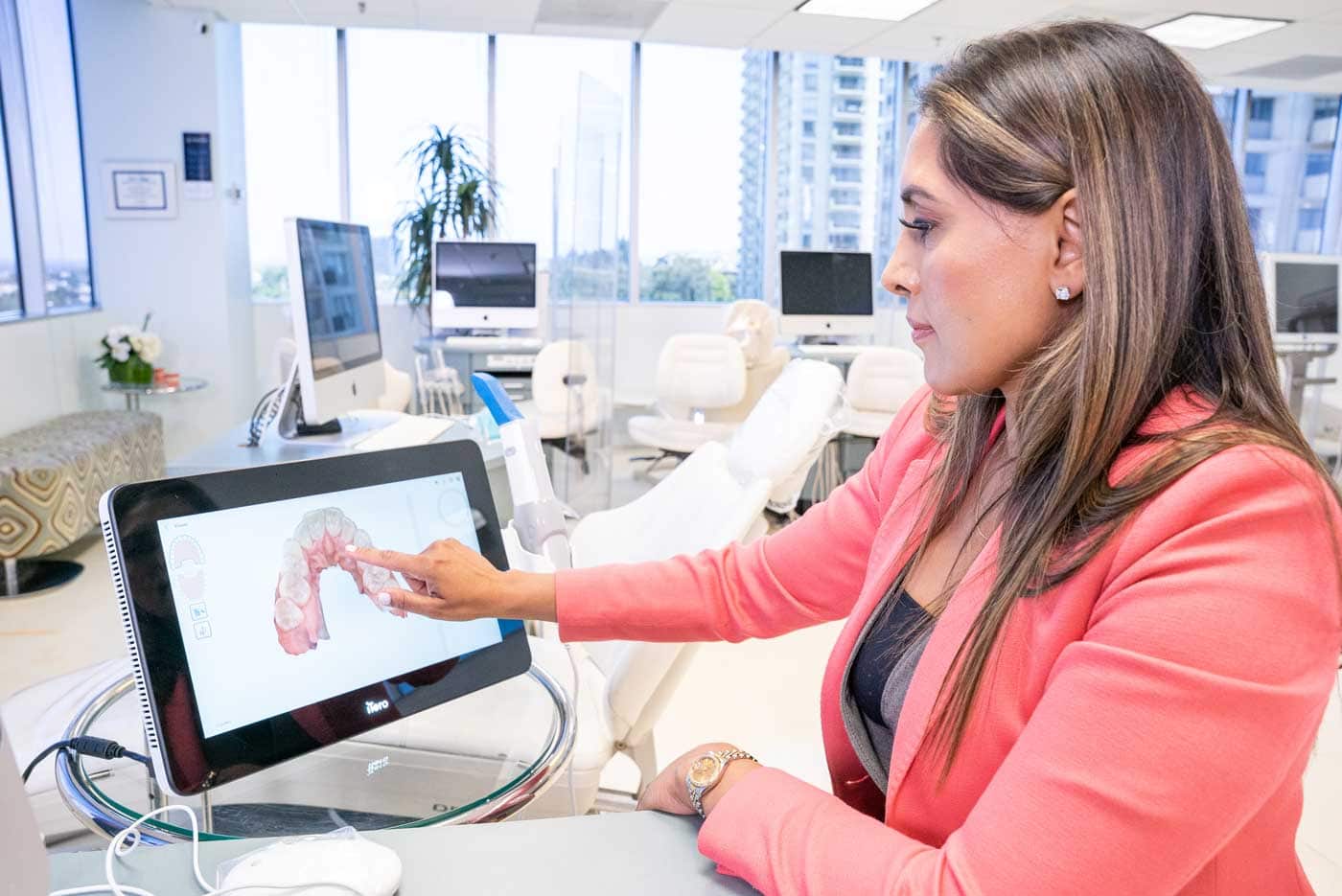
Recent advancements in orthodontics include the use of clear aligners like Invisalign, which offer a discreet treatment option, and innovative technologies such as 3D imaging and custom brackets that enhance precision and comfort in teeth straightening.
How often should orthodontic retainers be replaced?
Orthodontic retainers should typically be replaced every 6 to 12 months, depending on wear and tear. Regular check-ups with your orthodontist can help determine the right replacement schedule for your specific needs.
Do orthodontic treatments have age limitations?
Orthodontic treatments do not have strict age limitations. While many patients are children or teenagers, adults can also benefit from orthodontic care, making it possible to achieve a healthier smile at any age.
Can orthodontic issues cause jaw pain?
Yes, orthodontic issues can cause jaw pain. Misaligned teeth and jaws can lead to muscle strain, tension, and discomfort in the jaw joint, resulting in pain. Addressing these issues through orthodontic treatment can help alleviate the pain.
What orthodontic options exist for adults?
Adults have several orthodontic options, including traditional metal braces, clear braces, and Invisalign. These treatments are designed to suit individual needs while providing effective solutions for achieving a straighter, healthier smile.
How do orthodontic treatments improve dental health?
Orthodontic treatments improve dental health by aligning teeth properly, making them easier to clean and reducing the risk of cavities and gum disease. Straight teeth also promote better bite function, preventing excessive wear and tear on enamel.
Do orthodontists perform surgical procedures?
Orthodontists do not typically perform surgical procedures themselves; however, they may collaborate with oral surgeons for surgical orthodontic treatments when necessary. Their primary focus is on aligning teeth and jaws using braces or clear aligners.
How does orthodontic care contribute to facial symmetry?
Orthodontic care enhances facial symmetry by aligning teeth and jaws properly, which improves overall facial structure. This alignment can lead to a more balanced appearance, enhancing both aesthetics and function.
Can orthodontic treatment correct bite issues?
Yes, orthodontic treatment can effectively correct bite issues, such as overbites, underbites, and crossbites, by realigning the teeth and jaws to improve function and aesthetics. This leads to a healthier smile and better overall oral health.
What distinguishes cosmetic dentistry from orthodontics?
Cosmetic dentistry focuses on enhancing the appearance of teeth, gums, and smiles, while orthodontics specializes in correcting misaligned teeth and jaws. Both aim to improve oral health, but their primary goals differ significantly.
Is teeth whitening part of orthodontic services?
Teeth whitening is not typically considered a standard part of orthodontic services. However, many orthodontic practices, including ours, may offer whitening treatments as an option after braces or aligners are removed to enhance your newly straightened smile.
How does one maintain teeth post orthodontics?
To maintain teeth post-orthodontics, practice diligent oral hygiene by brushing twice daily and flossing regularly. Additionally, wear your retainer as prescribed to prevent shifting, and schedule regular dental check-ups for professional cleanings and monitoring.
Are there orthodontic options for sensitive teeth?
Yes, there are orthodontic options for sensitive teeth. Our team can provide customized treatments, such as clear aligners or gentler braces, designed to minimize discomfort while effectively straightening your teeth.
How long does an average orthodontic treatment last?
The average orthodontic treatment typically lasts between 12 to 24 months, depending on the complexity of the case and the chosen treatment method. Regular follow-ups will help ensure timely progress towards your best smile.
Can orthodontic treatments prevent future dental problems?
Yes, orthodontic treatments can prevent future dental problems by correcting misalignments, improving bite function, and making oral hygiene easier. This proactive approach helps reduce the risk of cavities, gum disease, and other dental issues down the line.
Are there alternatives to traditional metal braces?
Yes, there are several alternatives to traditional metal braces, including clear aligners like Invisalign, ceramic braces that blend with your teeth, and hidden braces such as InBrace, which are placed behind the teeth for a discreet treatment option.
Do orthodontic braces come in different materials?
Yes, orthodontic braces are available in various materials, including metal, ceramic, and plastic. Each type offers different aesthetic and functional benefits, allowing you to choose the best option for your treatment needs and personal preferences.