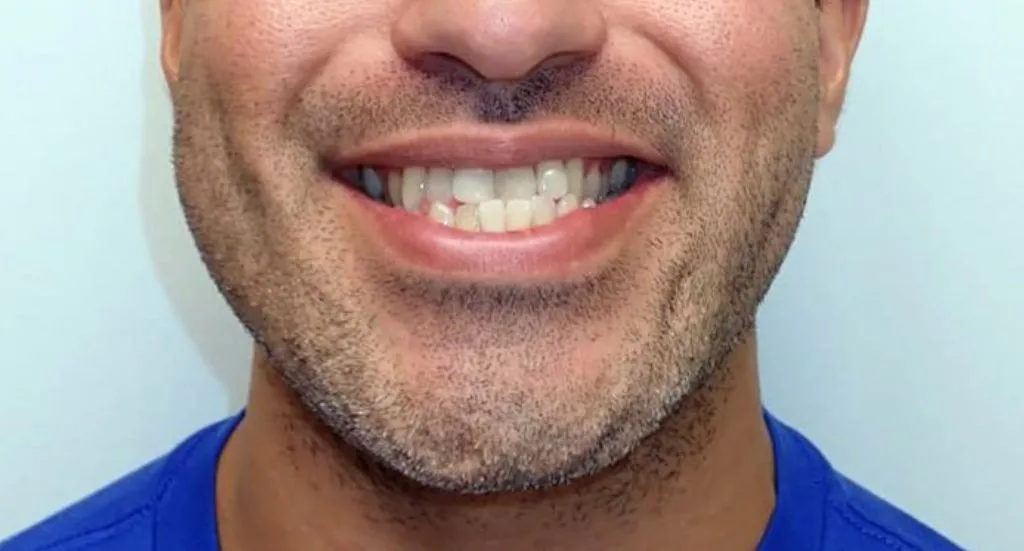
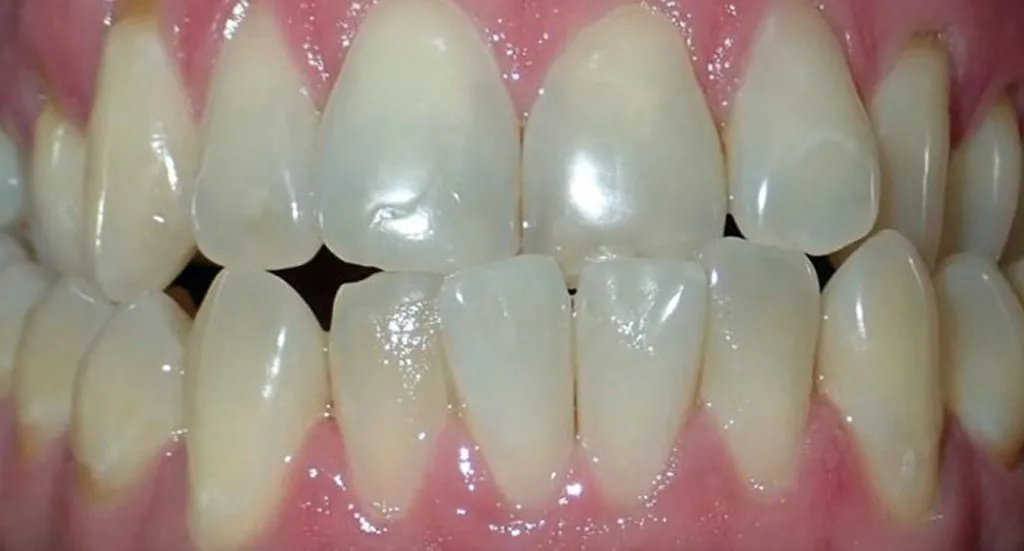
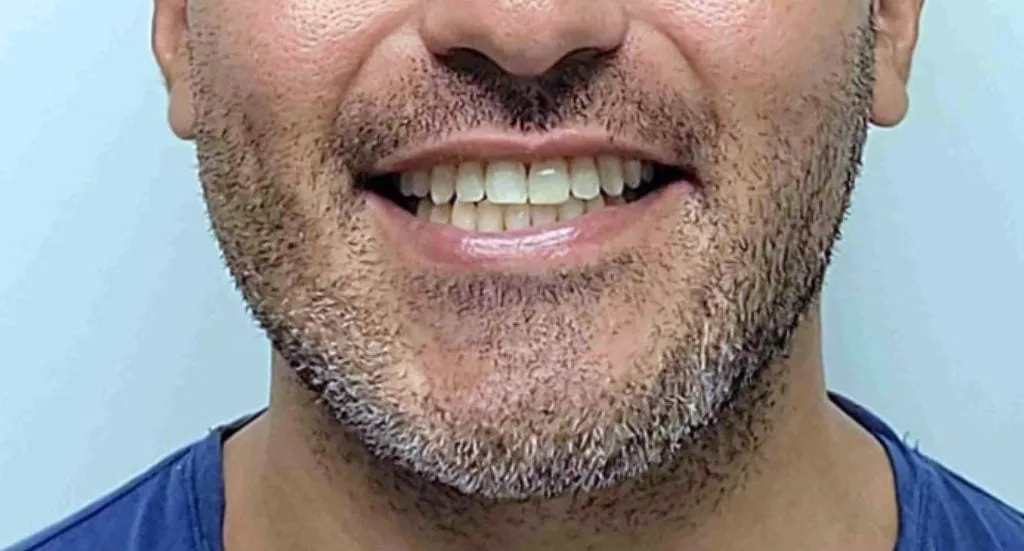
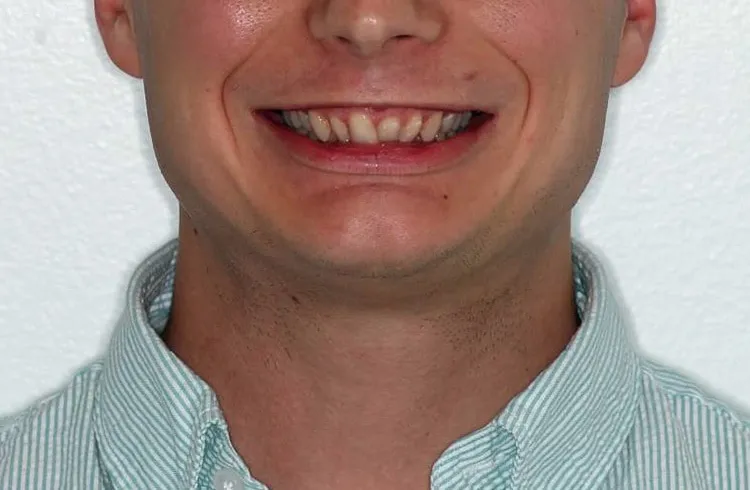
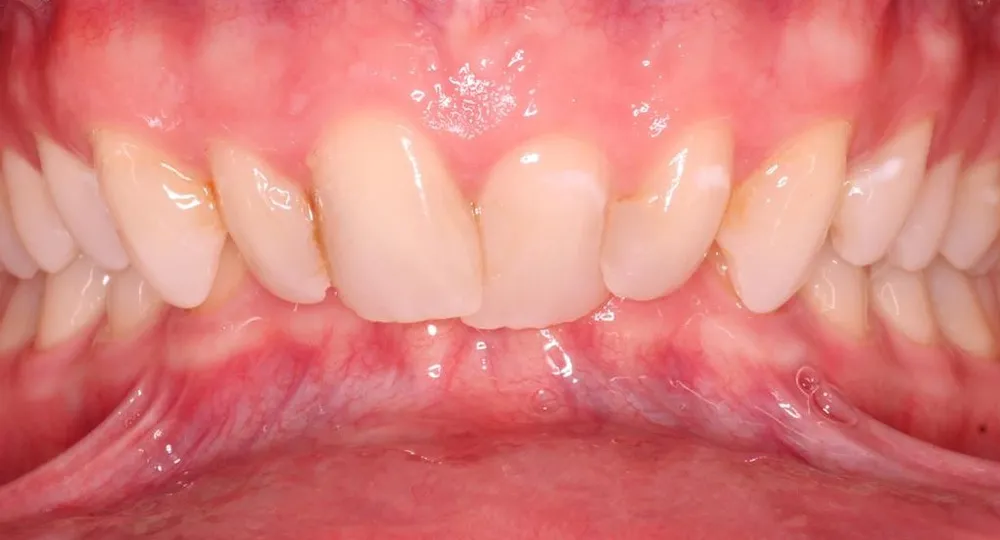
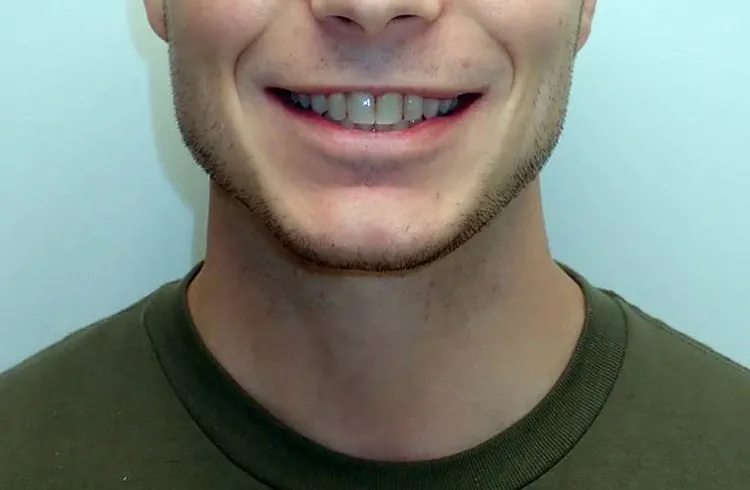
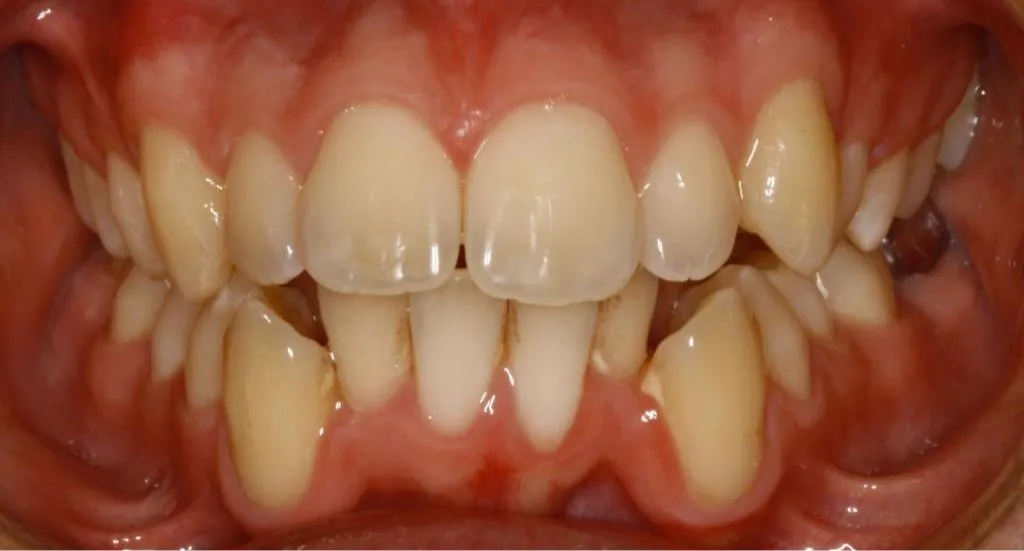
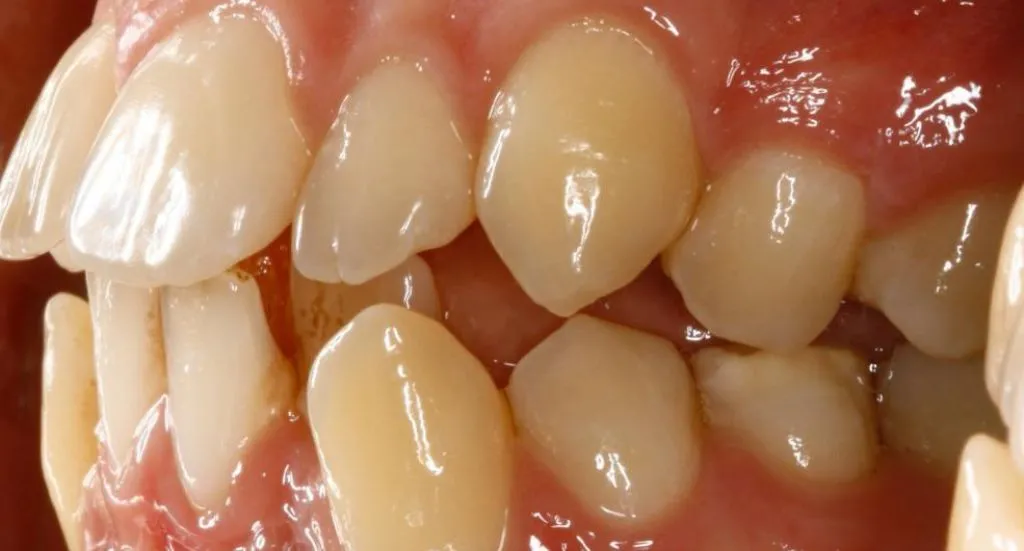
Standard orthodontic treatment is phenomenal at correcting misalignments of the teeth. Crowding, rotations, open bites, and crossbites are no match for the arsenal of orthodontists’ tools and techniques to guide teeth back into their proper alignment. However, more extensive treatment is necessary when one of the jaws, the maxilla (upper), the mandible (lower), or both, are underdeveloped or develop too slowly. Scenarios like this are when jaw surgery, professionally known as orthognathic surgery, can benefit the patient enormously.
Orthognathic surgery is performed by an oral surgeon or an oral and maxillofacial surgeon, typically in close consultation with a referring orthodontist. Jaw surgery can be used with orthodontics to correct the following conditions and disorders.
- Malocclusion (Misalignment)
- Severe misalignment of the jaws can lead to conditions such as underbite, overbite, or crossbite. These misalignments can cause difficulty in biting, chewing, and speaking, and can also cause aesthetic problems.
- Uneven face shape due to differences in jaw sizes can lead to self-esteem issues and potential TMJ and breathing problems.
- Sleep apnea can be caused by variations in anatomy, including the upper throat and sinuses. In some cases, orthognathic surgery can allow more space for the patient to breathe while asleep in bed.
- Temporomandibular Joint (TMJ) Disorders
- Some TMJ problems, like clicking, popping, and pain, can be treated by orthognathic surgery and orthodontics to put the joint into position to open and close smoothly.
Before jaw surgery, orthodontics corrects misalignments and provides a stable foundation for the skeletal changes achieved by surgical interventions. Following jaw surgery, patients continue orthodontic treatment to fine-tune the alignment of their teeth and bite.