
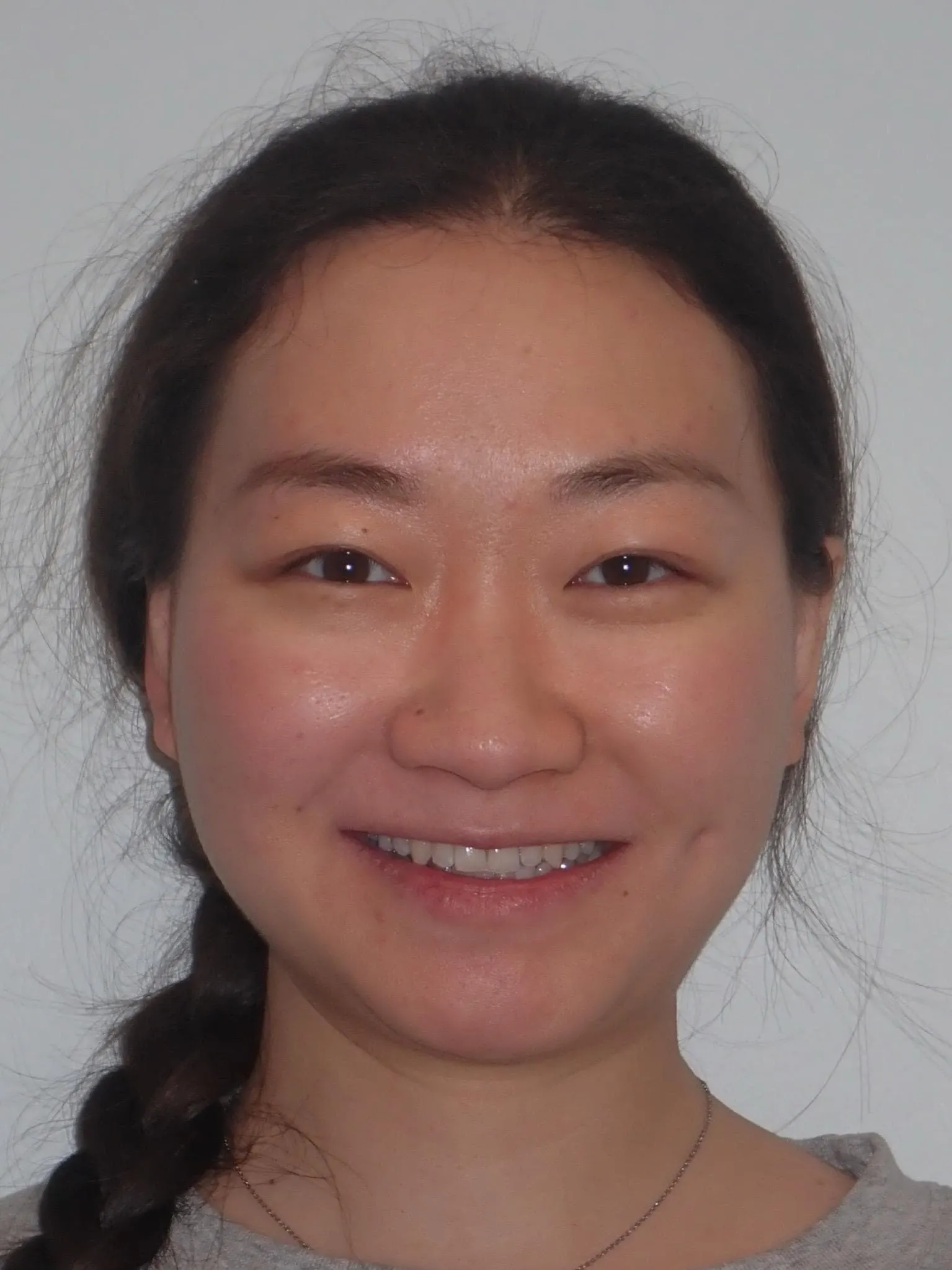
A comfortable, patient-focused orthodontic experience means your treatment plan is built around your specific goals and life, your appointments respect your time, and your questions get real, honest answers at every stage — not just a technically correct result at the end. The appliance matters, but how you’re treated along the way is just as much a part of the experience as the final outcome.
It Starts With Being Heard, Not Just Scanned
A good first consultation goes beyond taking a scan and quoting a price. It should include real conversation about what you want out of treatment — whether that’s speed, discretion, minimizing office visits, or simply understanding your options in plain language before deciding anything. Digital tools like 3D scanning make the technical side faster and more accurate, but they work best paired with a team that takes time to explain what the scan actually means for your specific case.
Comfort Is Physical, Too
Comfort isn’t just emotional — it’s also about modern technology reducing the physical friction of treatment. Digital scanners replace messy impression trays that many patients find genuinely unpleasant. Smooth, well-fitted aligners or well-adjusted brackets minimize irritation to the cheeks and lips. Advanced bracket systems and appliance materials are designed with fewer sharp edges and gentler applied force than older-generation options from years past. None of this eliminates the mild adjustment period every orthodontic patient goes through, but good technology and a thoughtful team can meaningfully reduce day-to-day discomfort throughout treatment.
Your Time Matters
A patient-focused practice designs its scheduling around real adult and family lives — offering appointment times that don’t require taking a half day off work, minimizing the number of in-office visits where possible (a real advantage of many Invisalign plans), and being upfront about how long each visit will actually take. Small things, like a fast check-in process and appointments that start close to on time, add up to a noticeably better overall experience across the many months of a typical treatment plan.
Clear Communication Throughout Treatment
You should always know: where you are in your treatment plan, what’s happening at your next visit, and who to contact if something feels off between appointments. A practice that keeps you informed — rather than leaving you to guess — turns a multi-month or multi-year commitment into something that feels manageable and transparent rather than mysterious. This is especially important during the middle stretch of treatment, when the excitement of starting has worn off but the finish line still feels far away.
A Genuine Sense of Partnership
The best orthodontic experiences feel collaborative. Your orthodontist explains the “why” behind recommendations, welcomes your questions, and treats your preferences — discretion, budget, speed, comfort — as real inputs into the plan, not afterthoughts to be worked around. That collaborative feeling is often what patients remember most once treatment is finished, more than the specific appliance they wore or the exact number of months it took.
How This Shows Up in the Small Details
Patient-focused care often shows up in details that are easy to overlook until they’re missing: a team that remembers your specific concerns from visit to visit, appointment reminders that actually help rather than feel like spam, and a willingness to troubleshoot an unexpected issue — like a broken bracket or a lost aligner — without making you feel like an inconvenience. These small, consistent touches are often a better predictor of how satisfied you’ll be with the overall experience than any single feature of the treatment itself.
Frequently Asked Questions About the Patient Experience
What should I ask about at my first consultation to gauge the experience?
Ask how the team communicates between visits, how they handle questions or concerns mid-treatment, and how they explain your specific treatment plan — the answers will tell you a lot about their overall approach to patient care.
Does a more comfortable experience cost more?
Not necessarily. Many comfort-focused practices, like digital scanning or flexible scheduling, are standard parts of modern care rather than costly upgrades reserved for premium pricing.
How do I know if a practice is truly patient-focused versus just saying so?
Look at how much time they spend answering your questions at the consultation, how clearly they explain your plan, and what past patients say about their communication throughout treatment, not just at the first visit.
Can I switch providers if my current experience doesn’t feel right?
Yes, patients can transition to a new orthodontist mid-treatment if needed, though it’s worth discussing your specific case with the new practice first to understand what the transition involves.
Curious what this looks like in practice? Read more about what sets our approach apart, or see what our patients say on our reviews page. Ready to experience it yourself? Book a free consult.