
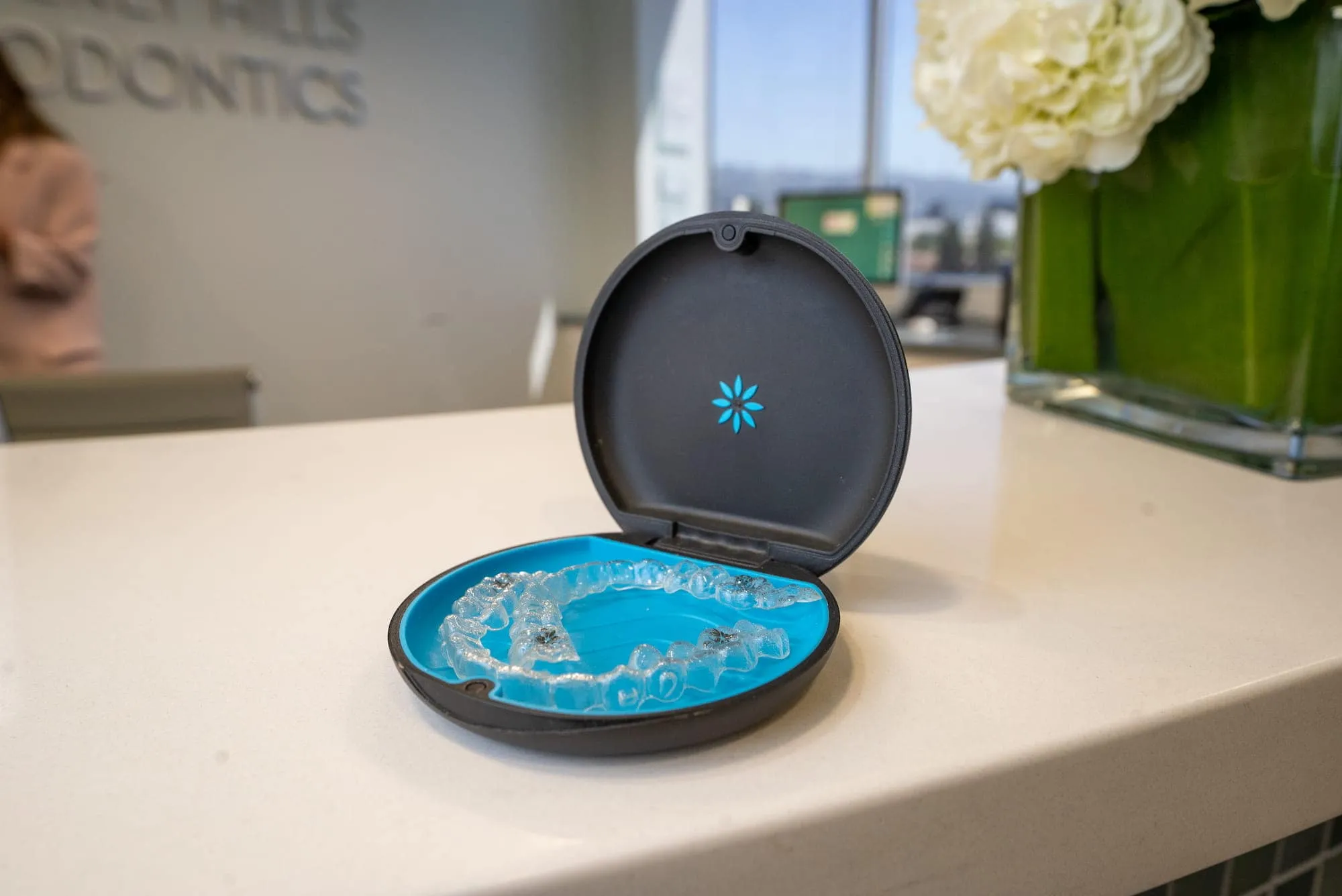
After months (or even years) of orthodontic treatment, removing braces or finishing your Invisalign series can feel like a major milestone. Many patients celebrate with photos, new confidence, and a fresh outlook on life. But just when it feels like your smile journey is complete, another critical phase begins — one that’s just as important for lasting results: retention.
Retainers may seem like a “bonus” step after braces or aligners, but they’re not optional if you want to protect your investment. Skipping retainers can lead to teeth shifting back toward their original positions — a process called relapse — and undo much of the progress you worked hard to achieve.
In this guide, we’ll break down why retainers matter, how they work, what your options are, and how to care for them effectively so your smile stays healthy and beautiful long after active treatment ends.
What Retainers Do — And Why They Matter
Orthodontic treatment moves teeth through the bone and soft tissues surrounding your smile. But once brackets come off or your final aligner tray is complete, those biological systems still need time to settle into their new positions.
Here’s what retainers do:
- Stabilize teeth while bone and tissues adapt
- Prevent gradual shifting (relapse)
- Maintain the new bite and alignment
- Support long-term smile stability
Without retainers, your teeth are biologically predisposed to drift. This isn’t “failure” — it’s just how the mouth tends to behave after significant movement. Retainers act like a support system, helping your body adjust to the new alignment before letting it fully settle.
What Happens If You Skip or Ignore Retainers
Skipping retainers may not show results immediately — but over months and years, the effects can be noticeable and frustrating. Here’s what can happen:
1. Teeth Drift Back Toward Their Old Positions
Even minor shifting can alter the symmetry and spacing of your smile. Crowding, gaps, or bite discrepancies may reappear over time if retainers aren’t worn as directed.
2. Bite Issues Can Return
Orthodontic treatment doesn’t just straighten teeth — it corrects how your upper and lower teeth fit together. Without retention, bite changes may regress, impacting chewing, comfort, and even jaw health.
3. Increased Frustration and Cost
Many patients are surprised — and disappointed — to see their post-treatment alignment change only years after braces or Invisalign. Addressing relapse often means additional orthodontic care, which could have been avoided with proper retainer use.
When Retainers Are Most Critical
While retainers are always important, they are especially crucial during the first few months after active treatment — when the bone and tissues around your teeth are still remodeling. This window is when relapse is most likely to occur without retention.
Your orthodontist will typically prescribe:
- Full‑time retainer wear initially (often 22 hours/day)
- Gradual transition to nighttime wear only
- Long‑term nighttime retention indefinitely
Following your orthodontist’s instructions during this period dramatically increases your chances of maintaining your ideal smile for life.
Types of Retainers — Which Is Right for You?
There are several retainer options — each with distinct advantages. Your orthodontist will recommend the best choice based on your treatment history and alignment needs.
1. Removable Retainers
These are the most common type and can be easily taken out for eating and brushing. Examples include:
- Hawley retainers — wire and acrylic design
- Clear plastic retainers — similar to Invisalign trays
Removable retainers are popular because they’re comfortable, discreet (especially clear options), and make cleaning easy.
2. Fixed (Bonded) Retainers
A fixed retainer is a thin wire bonded to the back of your front teeth. It provides continuous support and is ideal for patients who want to avoid forgetting to wear a removable retainer.
Fixed retainers are especially common for:
- Lower front teeth prone to crowding relapse
- Patients who prefer a “set it and forget it” option
Both removable and fixed retainers can be effective when worn and maintained properly — and sometimes, a combination of both is recommended.
How to Wear Your Retainer — Practical Guidance
Your orthodontist will provide a customized retainer schedule, but here are some common expectations:
- Immediately after treatment: Wear as directed (often full‑time)
- After the initial period: Transition to nighttime wear
- Long term: Nighttime retention indefinitely
Consistency is key — even if your teeth feel stable, nightly wear helps maintain that stability over years or decades.
Caring for Your Retainer
Cleaning Tips
- Rinse after removing it
- Brush gently with a soft toothbrush
- Avoid toothpaste on clear plastic retainers (can be abrasive)
- Use cleaning crystals or retainer cleaner when recommended
Storage and Handling
- Always use a case when not wearing it
- Avoid heat (don’t leave it in a hot car)
- Keep away from pets (they love chewing retainers!)
Common Questions About Retainers
Do I Really Need a Retainer Forever?
For many patients, yes. Teeth can shift throughout life due to aging, jaw changes, or oral habits. Nighttime retainer wear helps guard against gradual movement even decades later.
Can I Stop Wearing My Retainer After a Few Years?
Skipping retainers increases your likelihood of relapse. While schedules may become less frequent over time, discontinuing retainers entirely is not recommended.
What if My Retainer Feels Tight or Uncomfortable?
A snug retainer can be normal — it’s holding your teeth in position. But persistent pain or fit issues should be evaluated by your orthodontist to ensure nothing has changed unexpectedly.
Retainers and Your Long‑Term Oral Health
Retention doesn’t just protect aesthetic results — it supports oral health too. Proper alignment contributes to:
- Better chewing and bite function
- Reduced risk of gum disease
- More effective brushing and flossing
- Less wear on enamel
Teeth that remain in good alignment stay healthier and happier over time — and retainers play a central role in maintaining that balance.
Final Thoughts — Your Smile Deserves Long‑Term Care
Orthodontics is a journey, and retainers are the bridge from treatment to lifelong stability. Without them, the risk of shifting or relapse increases — potentially undoing progress you once thought was permanent.
Wearing and caring for your retainers is one of the most important habits you’ll adopt after treatment — and it’s one that pays dividends in confidence, function, and smile longevity.
Ready to Protect Your Smile for Life?
Want to ensure your orthodontic results last? Schedule a consult with Beverly Hills Orthodontics in Los Angeles to talk about the right retainer plan for your smile and lifestyle — and get personalized guidance on lifelong smile stability.