
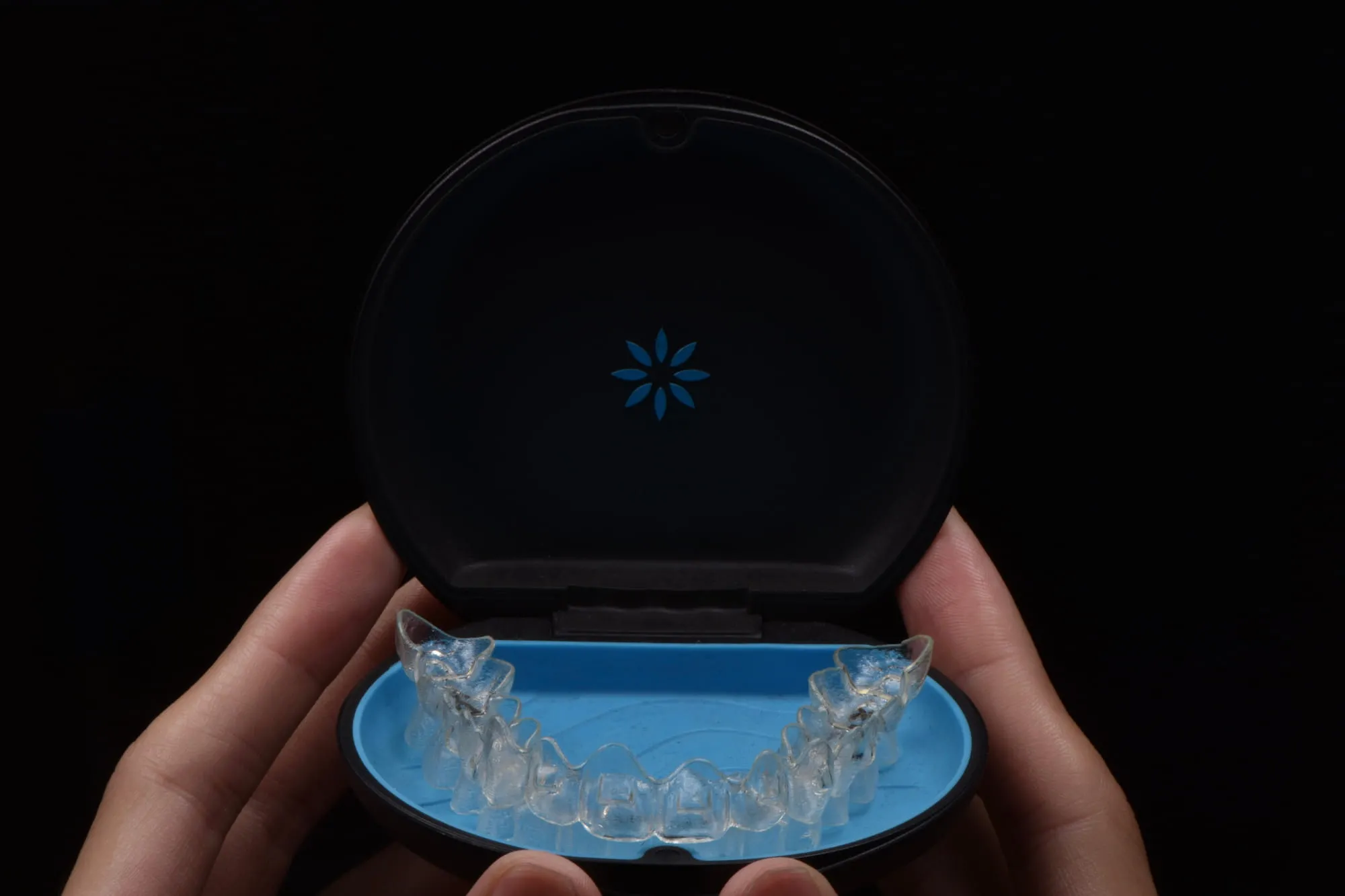
Why Does My Retainer Suddenly Feel Loose?
A retainer that suddenly feels loose usually means one of two things: your teeth have moved slightly since it was made, or the retainer itself has worn or changed shape. You can check a few things at home, but you should not try to reshape it yourself. A retainer that does not fit snugly is not doing its job.
As our retainers page puts it: if your retainer does not feel like it is retaining your teeth, it probably is not. Below is what causes a loose fit, how the cause differs by retainer type, what you can safely check yourself, when to call your orthodontist, and how to keep it from happening again.
What Causes a Retainer to Feel Loose?
The cause is usually either the teeth or the retainer. Sometimes it is both.
Your teeth have shifted
Teeth are always moving slightly. The ligament around each root lets them shift under everyday forces, and teeth that have just been moved by braces or Invisalign want to drift back toward where they started. Aging, tooth grinding, poor dental hygiene and lost teeth can all add movement.
You have not worn it consistently
Missed nights are the most common reason for a change in fit. Even short gaps let teeth move, particularly in the first months after treatment, when they are least settled in their new positions.
The retainer has worn out
Removable retainers become less effective with daily use. They get dirty, they warp and eventually they stop fitting properly. Clear plastic retainers in particular can warp relatively quickly.
The retainer has been damaged
Cracks, a bent wire or a chewed edge can all change how a retainer sits. Heat is a common culprit with plastic retainers, so keep them out of hot water, dishwashers and hot cars.
A bonded retainer has come loose
“Permanent” bonded retainers also age. Over the years they can bend, break or come away from the teeth. If a bonded retainer feels loose, it needs to be repaired or replaced.
Does It Depend on the Type of Retainer?
Yes. Each type tends to fail in its own way, which helps you work out what is going on.
| Retainer type | How a loose fit usually shows up | Typical cause | Usual fix |
|---|---|---|---|
| Clear plastic (Essix) | Slides on easily, gaps around teeth, no snap | Warping, wear or shifted teeth | Replacement retainer |
| Hawley (wire and acrylic) | Wire no longer touches the front teeth | Bent wire or shifted teeth | Professional adjustment or replacement |
| Bonded (permanent) | Wire moves, clicks or catches floss | Bond has failed or wire has bent | Re-bonding or replacement |
Clear plastic retainers
These should click into place and feel snug. If yours now slides on with no resistance, or you can see gaps around some teeth, it has either warped or your teeth have moved.
Hawley retainers
A Hawley retainer can be adjusted by a professional, which is one of its advantages. If the wire has stopped touching your front teeth, an adjustment may restore the fit, but only your orthodontist should bend it.
Bonded retainers
Run your tongue along the back of your teeth. Any movement in the wire, a rough spot or floss catching where it did not before suggests a bond has failed.
What Can You Safely Check at Home?
There is a short list of things worth checking before you call. None of them involve reshaping the retainer.
Look at the retainer itself
Hold it up to the light and look for cracks, thin spots, warping or a bent wire. Compare it with how it looked when it was new, if you can remember.
Think honestly about recent wear
If you have missed several nights recently, that is the most likely explanation. Returning to wear as directed may help when the change is small, but a fit that stays loose still needs checking.
Clean it properly
Buildup can stop a retainer seating fully, which can feel like a change in fit. Clean it as your orthodontist recommended, without hot water.
Notice whether your teeth look different
Look for new gaps, a tooth that seems to be turning or crowding that has started to return. Changes you can see mean the teeth have moved, not just the retainer.
Why Should You Not Try to Fix It Yourself?
Online advice about reshaping retainers at home is common, and it usually makes things worse.
Heat reshaping usually ruins a plastic retainer
Softening a clear retainer in hot water to make it tighter distorts the plastic unevenly. The result can press harder on some teeth and not at all on others.
Bending wires can move teeth the wrong way
A Hawley wire is shaped to hold specific teeth in specific positions. Bending it without training can push teeth somewhere new instead of holding them where they belong.
Forcing a tight retainer can hurt your teeth
If your teeth have shifted, a retainer that no longer fits should not be forced in. Pain, or a retainer that will not seat at all, is a reason to call rather than persist.
Glue and DIY bonding do not work
Bonded retainers need professional bonding. Household adhesives are not designed for the mouth and can damage enamel or gums.
When Should You Call Your Orthodontist?
Call sooner rather than later. Small shifts are much easier to deal with than large ones.
The fit does not improve with consistent wear
If you have worn it as directed and it still feels loose, the retainer or your teeth have changed enough to need a professional look.
You can see damage
Cracks, warping, a broken wire or a loose bond all call for repair or replacement. Our orthodontic emergency guide covers what to do with a broken appliance in the meantime.
Your teeth have visibly moved
New gaps or crowding mean your teeth need attention, not just your retainer. Depending on how far they have moved, a new retainer may be enough, or a short course of treatment may be needed. Our Invisalign treatment is often used to correct relapse in adults.
It hurts or will not seat
Pain, or a retainer that will not go in, means it should not be worn as it is.
What Happens When You Bring a Loose Retainer In?
A retainer check is usually short and straightforward. Knowing what to expect makes it easier to book promptly.
A look at the retainer
Your orthodontist checks the retainer for wear, warping and damage, and sees how it sits on your teeth.
A look at your teeth
They compare your current tooth positions with how treatment finished. This shows whether the retainer has changed, your teeth have moved, or both.
A fix matched to the cause
A Hawley wire may be adjusted. A worn plastic retainer is usually replaced. A failed bond is repaired. If teeth have moved, your orthodontist explains whether a new retainer will hold them or whether they need to be moved back first.
Updated instructions
You may be asked to increase wear for a period, or given a new schedule. Follow it closely for the first few weeks while the new fit settles.
What If Your Teeth Have Already Shifted?
This is the worry behind most loose-retainer questions. The answer depends on how far they have moved.
Small shifts
Minor movement caught early can often be managed with a new retainer and consistent wear.
Noticeable relapse
When gaps or crowding have clearly returned, a short course of treatment may be needed to move the teeth back before a new retainer can hold them.
Long-standing changes
If years have passed, your orthodontist will assess the case fresh. Many adults who stopped wearing retainers are treated again successfully.
How Do You Keep a Retainer Fitting Well?
Most fit problems are preventable with a few consistent habits.
Follow the wear schedule exactly
Most patients wear removable retainers full time for the first 3 to 6 months after treatment, then move to nighttime wear, which continues indefinitely. Your orthodontist’s instructions for your case come first. Our guide to wearing a retainer after braces goes into detail.
Store it in its case, every time
Most lost and damaged retainers were wrapped in a napkin or left loose in a bag. The case is the cheapest insurance you have.
Clean it gently and daily
Rinse it whenever you take it out and brush it gently with cool water. A clean retainer seats properly, and you are far more likely to notice early wear on a retainer you look at closely every day.
Keep it away from heat
Hot water, dishwashers, car dashboards and sunny windowsills can all warp plastic.
Replace it before it fails
Removable retainers are not meant to last forever. BHO offers removable retainer replacement, and a new retainer on a regular schedule keeps your teeth where your treatment put them.
Bring it to every check-up
Bring your retainer to dental and orthodontic visits. A quick look at the fit can catch wear or a failing bond long before you notice a change yourself, and it costs you nothing but remembering the case. Early catches almost always mean a simpler, quicker fix than waiting until the fit has obviously gone.
Frequently Asked Questions About Loose Retainers
Is it normal for a retainer to feel loose after a while?
A little change over time is common as retainers wear, but a retainer should still feel snug. If it does not, have it checked.
Will wearing it more make it fit again?
If you have missed some wear and the change is small, returning to wear as directed may help. If it stays loose, the retainer or your teeth have changed and you need a professional check.
Can my orthodontist tighten my retainer?
A Hawley retainer can often be adjusted. Clear plastic retainers usually cannot be tightened and are replaced instead. Bonded retainers are re-bonded or replaced.
What happens if I ignore a loose retainer?
Your teeth can keep shifting and the result of your treatment can gradually be lost. Acting early usually means a simpler fix.
Get Your Retainer Checked — Free Consultation
If your retainer feels loose, or your teeth look like they are moving, we can check the fit and tell you what it needs. Request your free consultation at any of our four Los Angeles-area locations, or call or text us at (310) 785-0770.