
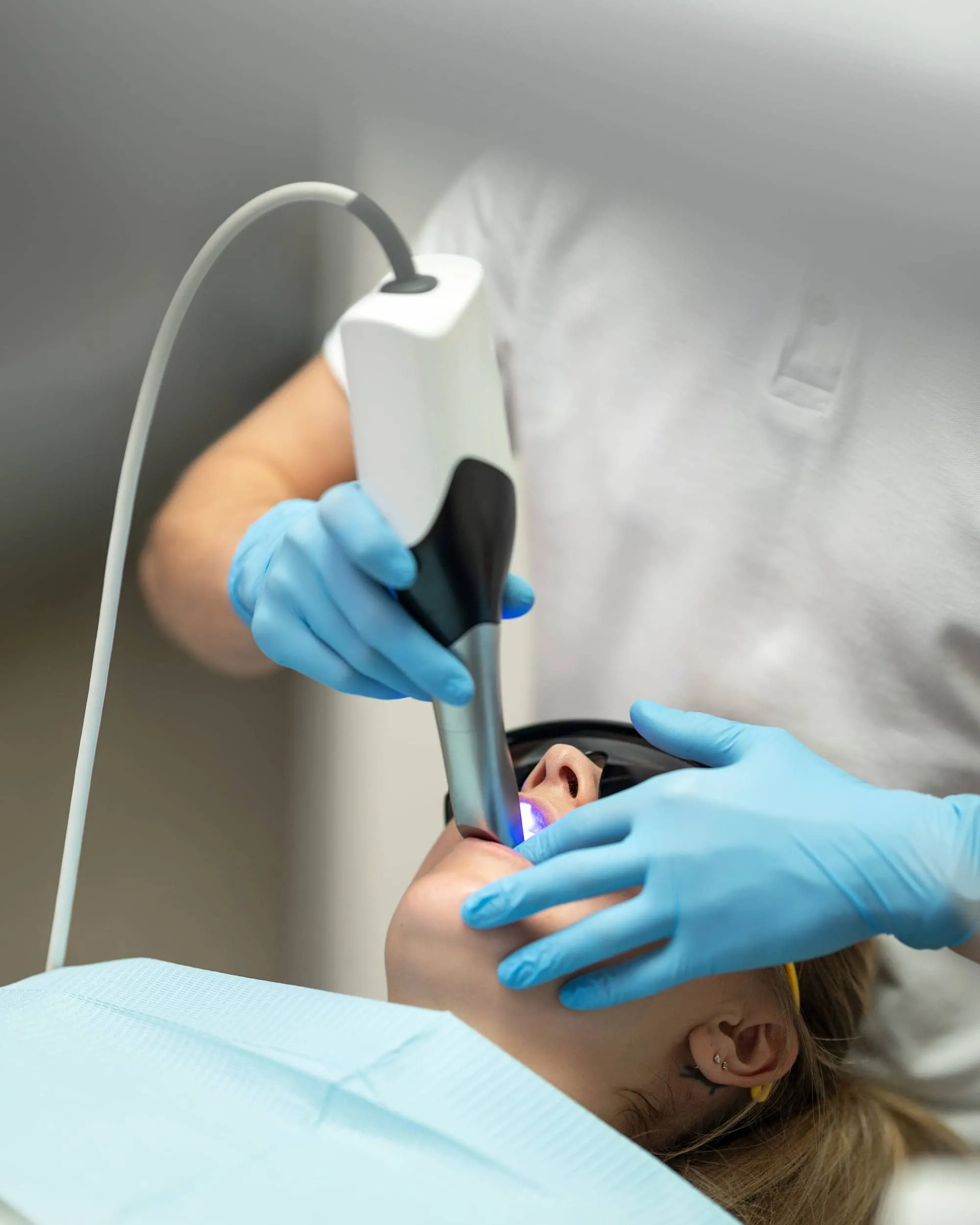
Orthodontic treatment has come a long way in recent years — and one of the most exciting advancements is the use of light to support and speed up tooth movement. Known as photobiomodulation (PBM), this cutting-edge technique uses gentle, targeted light to help your body respond better to braces or clear aligners. But what is photobiomodulation, and how exactly does it work for orthodontic treatment?
If you’re starting treatment in Los Angeles and want a more comfortable, efficient path to a straighter smile, here’s what you need to know about this modern light-based therapy.
What Is Photobiomodulation?
Photobiomodulation (PBM) is a type of low-level light therapy that uses red or near-infrared light to stimulate natural cellular activity. It’s been used in a variety of medical and therapeutic fields — including pain management, physical rehabilitation, and wound healing. In orthodontics, PBM is used to encourage bone remodeling, reduce inflammation, and enhance tissue recovery during active tooth movement.
This light therapy is completely non-invasive, painless, and quick — typically delivered in just a few minutes during or between appointments. For patients wearing braces or Invisalign, PBM offers a way to support the biological changes needed for effective and efficient orthodontic care.
How Does Photobiomodulation Work for Braces?
To understand how photobiomodulation works in orthodontics, it helps to know how tooth movement happens in the first place. When braces apply force to teeth, they don’t just move the tooth itself — they stimulate the surrounding bone and soft tissues to adapt. This involves a complex process of bone breakdown (resorption) on one side of the tooth and bone building (deposition) on the other.
PBM enhances this natural remodeling process by energizing the cells responsible for healing and structural change. Here’s how it works:
- Targeted light is applied — Typically using a specialized mouthpiece or hand-held device, low-level light is directed at the gums and jawbone around the teeth.
- Light is absorbed by cells — The mitochondria within bone and soft tissue cells absorb the light, which boosts energy production (in the form of ATP).
- Increased cell activity — With more energy, cells can respond faster to orthodontic forces, improving healing and making the movement process more efficient.
In short, photobiomodulation helps your body keep up with the demands of braces — which can translate into more comfortable adjustments, fewer delays, and potentially faster results.
Benefits of Photobiomodulation During Orthodontic Treatment
When integrated into a well-planned orthodontic treatment, PBM offers several advantages. It’s especially useful for patients who want to improve comfort, reduce soreness, or explore time-saving options.
Here are some key benefits:
- Faster tooth movement — PBM supports more efficient bone remodeling, which can help reduce the total time you spend in braces or aligners.
- Less pain and discomfort — Light therapy reduces inflammation and calms tissue irritation, which can ease the soreness that often comes with adjustments or tray changes.
- Improved healing response — Enhanced circulation and cellular repair support gum and bone health throughout your orthodontic journey.
- Non-invasive and drug-free — PBM is gentle, safe, and suitable for both teens and adults — with no needles, surgery, or medications required.
Is PBM Safe? A Look at the Research
Photobiomodulation has been studied for decades and is considered safe when applied by trained professionals. In orthodontics, clinical studies show PBM can shorten treatment times and reduce pain without causing damage to teeth, gums, or bone.
Because it uses low-level light that doesn’t cut or heat tissue, PBM is very well tolerated. Most patients feel no discomfort during the process — and some describe the sessions as relaxing.
Of course, like any medical or dental technology, PBM is most effective when used as part of a comprehensive care plan. It isn’t a replacement for braces or aligners — it’s a tool that enhances how your body responds to treatment.
Who Can Benefit from Light Therapy with Braces?
Photobiomodulation can be a helpful addition for many different types of orthodontic patients in Los Angeles. It’s particularly beneficial for:
- Teens and adults looking for shorter treatment timelines
- Patients who experience discomfort after wire adjustments or aligner changes
- Busy professionals or families who want efficient, modern care
- Patients with mild to moderate anxiety about orthodontic discomfort
It’s also well-suited for kids with braces — offering a non-invasive way to ease discomfort and promote healthy development during critical growth stages.
Does Light Therapy Work with Invisalign Too?
Yes — PBM isn’t just for traditional braces. It works well with clear aligners like Invisalign by helping the body adjust to each new tray more quickly. For patients who experience tenderness when switching aligners, light therapy can reduce that soreness and support smoother transitions between trays.
PBM can also help patients stay on track with their aligner schedule, potentially avoiding delays that can happen due to poor fit or discomfort-related noncompliance.
What to Expect with PBM at the Orthodontist
If you choose to add light therapy to your treatment plan, here’s what the experience typically looks like:
- Sessions are quick and easy — PBM can be completed in-office in just a few minutes or provided as a take-home device, depending on the system used.
- No downtime required — You can return to normal activities immediately after each session.
- Consistent use is key — To get the full benefit, your orthodontist may recommend regular PBM sessions throughout your active treatment phase.
Your orthodontist will walk you through how the light therapy integrates with your braces or aligner care, including any devices or schedules you need to follow.
Should You Ask About PBM in Los Angeles?
If you’re starting orthodontic treatment in LA and want the most advanced, comfortable care possible, photobiomodulation is definitely worth discussing at your initial consultation. It’s especially helpful for:
- Reducing braces discomfort
- Supporting faster progress
- Managing aligner-related tenderness
- Helping young patients adjust more easily
Ready to Explore Light Therapy as Part of Your Braces Journey?
Interested in learning how photobiomodulation could support your orthodontic treatment? Schedule a free consultation with Beverly Hills Orthodontics in Los Angeles to see if light therapy is right for you.