
When starting orthodontic treatment, precision matters. Whether you’re preparing for braces or Invisalign in Los Angeles, capturing an accurate representation of your teeth and bite is one of the most important early steps your orthodontist will take. Traditionally, this was done using putty impressions — the kind that many patients remember for their messy texture and long setting times. Today, digital orthodontic scans are increasingly used instead.
But which method delivers better accuracy for your treatment plan? And could one choice influence the predictability, comfort, and outcome of your smile transformation? In this article, we’ll break down how orthodontic scans and traditional impressions differ, why accuracy matters, and how these methods affect your overall experience and results.
What Are Traditional Impressions?
Traditional impressions involve placing a soft, putty‑like material into a tray that fits over your teeth. Once the material sets, it hardens into a mold that captures the shape of your dental arches. This physical mold becomes the basis for creating study models or appliances.
For decades, this approach was the industry standard — and it remains an option in many practices today. However, it does come with certain limitations:
- The material can be uncomfortable or messy
- Patients may gag or feel anxious during the process
- If the impression isn’t perfect, it may need to be redone
For some patients, these impressions are simply an uncomfortable rite of passage before braces or aligners. But discomfort isn’t the only concern — accuracy plays a central role in whether the resulting appliances fit well and produce predictable outcomes.
What Are Orthodontic Digital Scans?
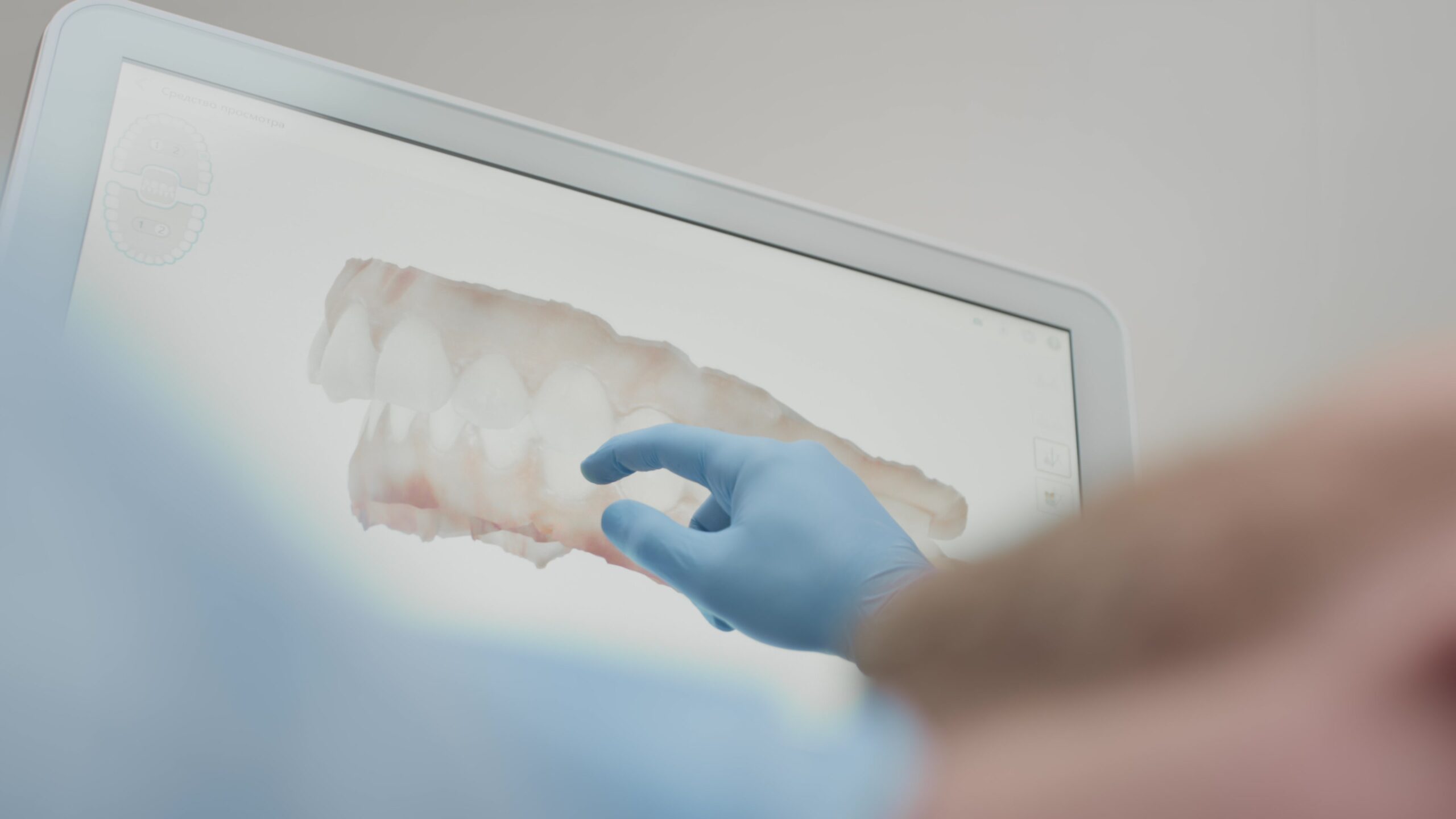
Digital orthodontic scans use advanced imaging technology — often handheld or desktop intraoral scanners — to create a precise, three‑dimensional digital model of your teeth and bite. Instead of biting down into putty, your orthodontist glides the scanner across your teeth. The device captures thousands of digital images and stitches them together into an accurate 3D representation in real time.
Many practices in Los Angeles and beyond now use digital scans as a primary method for capturing teeth and bite data, and for good reasons:
- The experience is more comfortable for patients
- Digital files are instantly available for review
- Images can be adjusted or reviewed without repeating the scan
But beyond ease and comfort, digital scans have strong advantages when it comes to accuracy and treatment precision — which is what really matters for effective orthodontic care.
Accuracy Comparison — Scans vs. Impressions
From a clinical standpoint, accuracy is critical. Orthodontic treatment — especially with clear aligners like Invisalign — depends on exact measurements of your teeth and bite. Small errors can lead to appliances that don’t fit as intended, which can delay progress or require refinements.
Traditional Impressions
- Susceptible to distortion — The material may expand or contract slightly
- Human error — Bubbles or imperfections in the mold can affect accuracy
- Physical storage — Models must be physically stored and can degrade over time
Digital Scans
- High precision — Intraoral scanners capture detailed 3D data
- Instant feedback — Scans can be reviewed immediately and retaken if needed
- No material distortion — Digital data doesn’t change shape over time
Because digital scans eliminate many of the variables involved with physical impressions, they often result in more reliable models — and more predictable treatment outcomes. This is especially important for treatments that depend on precise staging, such as Invisalign or customized braces protocols.
Why Accuracy Matters for Your Treatment
When orthodontic appliances are designed based on a precise understanding of your teeth and bite, several benefits follow:
More Predictable Results
Accurate models help orthodontists plan tighter, more effective movements — which can reduce the need for refinements later in treatment.
Better Appliance Fit
Whether it’s Invisalign trays or wiring for braces, a precise model ensures these tools fit well from the start, reducing discomfort and build‑in errors.
Reduced Treatment Time
When appliances fit correctly and movements are well planned, treatment often progresses more efficiently — which can shorten overall time in braces or aligners.
Improved Patient Experience
Less need for re‑impressions or retakes means fewer appointments, less discomfort, and a smoother treatment journey from the beginning.
Real-Time Visualization & Patient Understanding
Another advantage digital scans offer is real‑time visualization. Because scanned models are displayed instantly on a screen, you and your orthodontist can:
- Review your dental anatomy together
- Identify issues in a clear, visual format
- Understand how the treatment plan will unfold
Many patients find this visual insight empowering — it’s easier to see where your smile starts and how it’s expected to change over time.
Can Traditional Impressions Still Be Useful?
Yes — traditional impressions are not obsolete. In some cases, they can still be accurate and effective, especially for:
- Small corrective technologies
- Practices without digital scanning systems
- Insurance or clinical documentation needs
However, as more practices adopt digital workflows, scans are rapidly becoming the preferred standard for most modern orthodontic treatments due to their speed, comfort, and precision.
Which Is Right for You?
If you’re preparing for braces or Invisalign in Los Angeles, ask your orthodontist about their preferred method. Some questions to consider:
- Do you offer digital orthodontic scans?
- How do scans benefit my specific treatment plan?
- If you use traditional impressions, how do you ensure accuracy?
- Will the method used affect the timing or comfort of my treatment?
A thoughtful discussion shows that your orthodontic team values precision and patient experience — and that your treatment plan will be tailored to your needs.
Final Thoughts — Precision Matters for Your Smile
Whether you’re just starting your orthodontic journey or comparing options, understanding the difference between orthodontic scans and traditional impressions helps you make an informed decision. Digital scans offer high accuracy, immediate visualization, and a more comfortable experience — especially for treatments like Invisalign that depend on precise digital modeling.
But regardless of method, choosing a trusted orthodontist who prioritizes accuracy, communication, and personalized care is the most important step toward a confident, healthy smile.
Ready to Experience Precise Orthodontic Imaging in Los Angeles?
Curious about digital orthodontic scans or how precision imaging can enhance your braces or Invisalign treatment?Schedule a consultation with Beverly Hills Orthodontics today. Let our experts walk you through your options and help you understand how state‑of‑the‑art imaging supports a smoother, more predictable smile journey.