
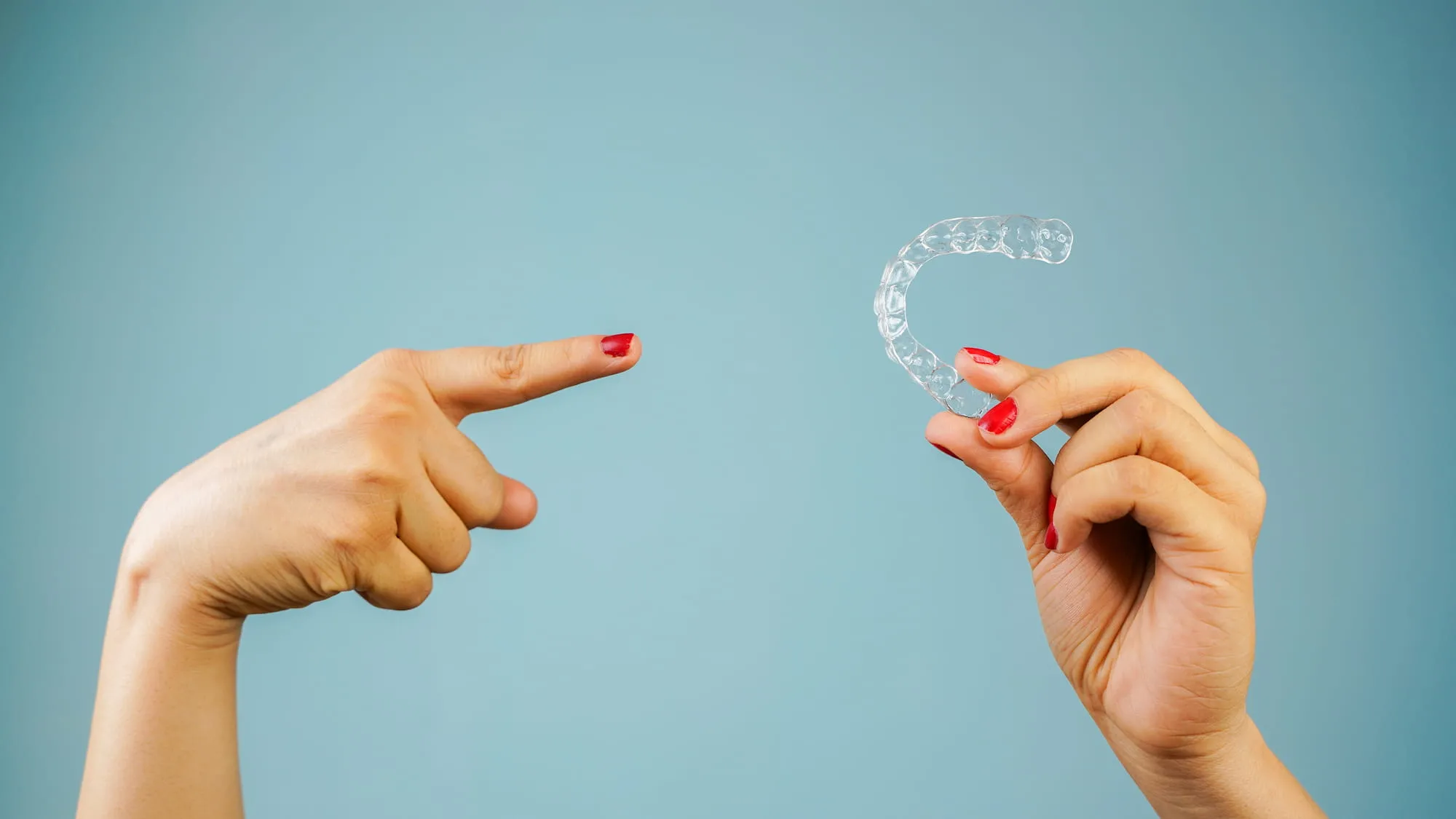
Choosing between Invisalign and traditional braces is one of the biggest questions prospective orthodontic patients face, especially if comfort is a top concern. Both Invisalign and braces are highly effective for straightening teeth, but they differ in how they feel, how they work, and what kind of daily experience you can expect. The good news? With today’s advanced orthodontic technology, comfort has improved significantly across both options.
If you’re in Los Angeles and exploring orthodontic care, this guide will break down what comfort really means in the context of braces versus Invisalign, so you can make an informed decision that fits your smile goals and lifestyle.
Understanding the Basics: Braces vs. Invisalign
Braces are fixed appliances made of brackets and wires that gently guide teeth into alignment over time. They’ve been used successfully for decades and are highly effective for a wide range of alignment issues.
Invisalign uses a series of clear, customized aligner trays to move teeth. Each tray applies gentle pressure in specific places, and you switch to a new set every one to two weeks. Because the trays are removable and nearly invisible, many patients choose Invisalign for aesthetic and comfort reasons.
Comfort plays a big role in treatment satisfaction, and how we define “comfortable” can differ from person to person.
What Comfort Means in Orthodontics
When patients ask whether Invisalign is more comfortable than braces, they’re usually referring to a few key factors:
- Physical sensation — Does it feel painful, irritating, or intrusive in the mouth?
- Soft tissue impact — Do gums, lips, or cheeks get irritated by the appliance?
- Daily life interference — Can I eat normally, speak comfortably, and go about my routine without adjustment discomfort?
- Long-term adaptation — Will the appliance demand ongoing belt-and-suspenders care or feel more seamless over time?
Let’s break these down in the context of each treatment type.
How Braces Feel on Your Teeth & Gums
Braces are fixed, which means they exert continuous force on your teeth. This can produce some unique sensations:
In the first few days after your braces are placed, and after each adjustment, it’s common to feel pressure or soreness as your teeth begin to move. Many patients describe this as “tight” or “achy” rather than sharp pain.
Unlike Invisalign, braces can sometimes irritate gums or the soft tissues inside the lips and cheeks. That’s why orthodontists often provide orthodontic wax—a soft protective layer you can place over brackets or wires to reduce rubbing.
However, once the initial adjustment period passes, most people adapt quickly. Because braces are fixed, they work steadily in the background, and many long-time wearers find they hardly notice them in their day-to-day lives.
How Invisalign Feels on Your Teeth & Gums
Invisalign is widely known for its comfort—and for good reason. The trays are smooth, custom-fitted plastic that gently hug your teeth, without brackets or exposed wires.
The most common sensation with Invisalign is mild pressure when you switch to a new set of aligners. That’s a sign they’re working—guiding your teeth into their next positions. This pressure usually lasts for a day or two and then fades.
Because the aligners are removable, there’s no hardware to rub against your gums or cheeks. Many patients find this significantly more comfortable, especially in the early stages of treatment.
Eating, Speaking, & Everyday Activities
Braces:
- You’ll have some dietary restrictions, especially early on—no hard candies, sticky snacks, or chewy foods that can damage wires or brackets.
- Speech may be slightly affected for a short time, especially right after braces are placed or adjusted.
- Meals require extra care to avoid dislodging brackets or poking wires.
Invisalign:
- You can remove your aligners for meals, so there are virtually no food restrictions.
- Speech changes are generally minimal, and most patients adapt quickly.
- When aligners are removed during eating, oral hygiene is easier—fewer food particles stuck between wires and brackets.
In terms of daily comfort, many Invisalign users appreciate the flexibility of “remove for meals, brush, and replace,” especially if dietary enjoyment and social dining are big parts of their lifestyle.
Oral Hygiene and Comfort
Keeping your mouth clean is essential for both braces and Invisalign, but the experience differs:
With braces, food can easily get caught around brackets and wires. This means more meticulous brushing and flossing, and sometimes irritation if particles are left behind.
With Invisalign, you remove your aligners for eating and brushing, so there are fewer traps for food particles. Most patients find that this freedom makes oral hygiene feel easier and more comfortable over time.
When Braces Might Be the Better Choice
While Invisalign is often perceived as more comfortable, it’s important to remember that braces are still the most effective option for certain complex cases:
- Significant bite issues
- Severe crowding or rotated teeth
- Skeletal misalignment that requires strong anchorage
In these cases, the slightly increased initial discomfort of braces can be well worth it for the long-term results — and most patients adapt quickly, often finding the sensation manageable after the first few adjustment periods.
Patient Compliance & Comfort
Comfort isn’t just about sensations—it’s also connected to compliance.
With Invisalign, comfort is closely tied to wearing your aligners as recommended (typically 20–22 hours per day). If aligners are not worn consistently, progress can slow, which can lead to frustration or extended treatment, and that can impact comfort overall.
With braces, the hardware is fixed, which removes the compliance variable. Some patients find this reassuring—they don’t need to think about when to wear or remove anything.
What Los Angeles Patients Say About Comfort
In a city like Los Angeles, where active lifestyles, social events, and confidence matter, many patients choose Invisalign because it feels simpler and more discreet. The smooth plastic trays are especially appealing for professionals, actors, teens in school, or adults with public-facing careers.
That said, plenty of patients in LA and beyond wear braces without significant discomfort, and they appreciate the predictability and strength of fixed appliances, especially for complex cases.
A Note About Pain Management
Whether you choose braces or Invisalign, mild discomfort is normal during certain points in treatment—like initial placement or tray changes. This discomfort is typically short-lived and manageable with simple care strategies like:
- Warm salt water rinses
- Over-the-counter pain relievers as advised
- Orthodontic wax for braces irritation
- Good hydration and soft food in the first few days after changes
These practices help make treatment more comfortable on a day-to-day basis, no matter which option you choose.
Making the Right Choice for You
At the end of the day, the most comfortable option is the one that aligns with your orthodontic needs, lifestyle, and preferences. Invisalign tends to offer a smoother, less intrusive experience for many patients, especially adults and teens who value flexibility and minimal hardware. Braces, on the other hand, remain a trusted, dependable choice for complex alignment challenges that require robust mechanics.
The best way to determine what’s most comfortable for your smile is to talk with an experienced orthodontist who can evaluate your bite, alignment needs, and comfort priorities.
Ready to Find Your Comfortable Orthodontic Path?
Curious if Invisalign is more comfortable for your smile? Schedule a consultation with Beverly Hills Orthodontics in Los Angeles to explore both Invisalign and braces and find the option that fits your comfort goals and lifestyle.