```html
Understanding the Importance of Retainers
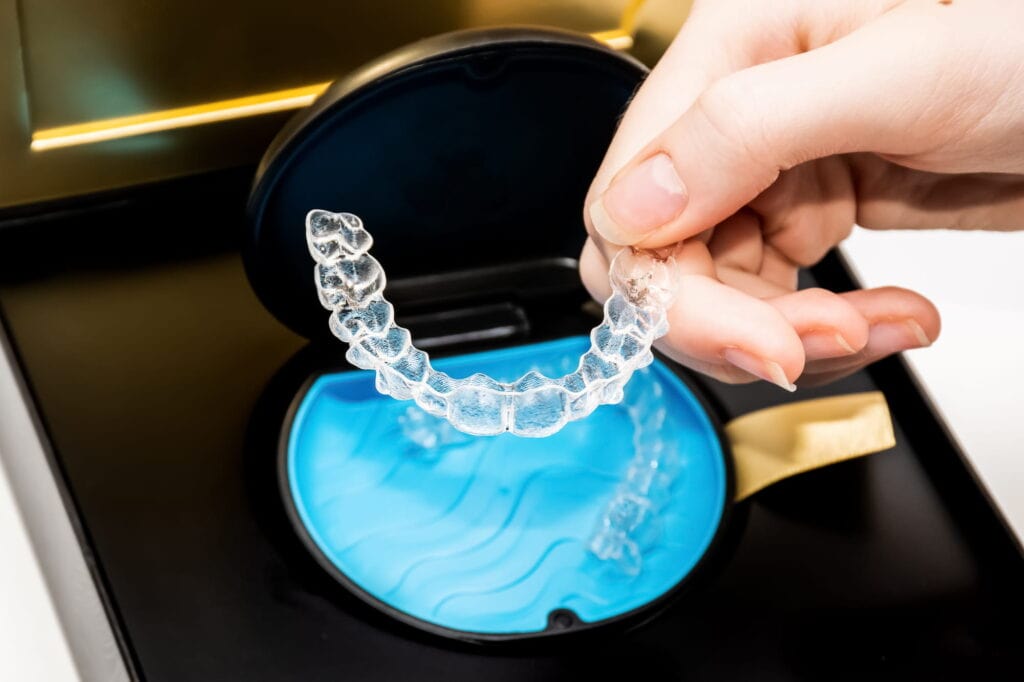
After completing your Invisalign treatment, wearing a retainer is crucial for maintaining your newly aligned smile. Retainers help to prevent your teeth from shifting back to their original positions, ensuring that the results of your hard work and investment in orthodontic treatment last for years to come. It's essential to follow your orthodontist's recommendations regarding how long and how often to wear your retainer, as this will vary based on individual needs.
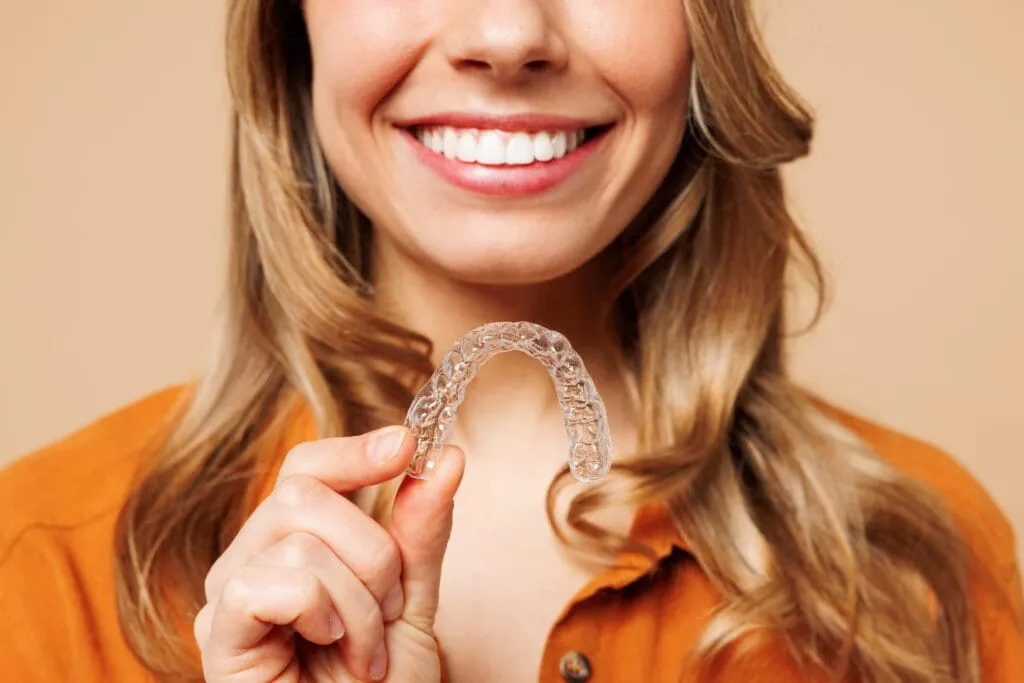
Retainers come in various forms, including clear plastic and traditional wire options. Many patients prefer clear retainers for their discreet appearance, similar to Invisalign aligners. Regardless of the type you choose, committing to wearing your retainer as prescribed will help you enjoy the confidence of a straight smile for a lifetime.
Combining Invisalign with Other Dental Treatments
Invisalign is a versatile orthodontic treatment that can be effectively combined with other dental procedures, such as veneers. Many patients seek veneers to enhance the aesthetics of their teeth, and understanding how to integrate these treatments can lead to optimal results. If you're considering both Invisalign and veneers, it's essential to consult with your orthodontist to develop a comprehensive treatment plan that addresses your specific dental needs.
When wearing Invisalign with veneers, your orthodontist will guide you on the best sequence of treatments. Typically, it’s advisable to complete your Invisalign treatment first to achieve the desired alignment before placing veneers. This approach ensures that the veneers are applied to properly aligned teeth, resulting in a more natural and harmonious smile.
Choosing Between Invisalign and Braces
When deciding between Invisalign and traditional braces, it's important to consider various factors, including treatment timelines, comfort, and aesthetic preferences. Invisalign is often favored for its discreet appearance and comfort, as the aligners are made from smooth plastic and can be removed for eating and cleaning. In contrast, traditional braces consist of metal brackets and wires, which may be more noticeable and can cause some discomfort during the adjustment period.
Both treatment options are effective for straightening teeth, but the timeline can differ significantly. Invisalign typically offers a faster treatment duration for mild to moderate cases, while braces may be necessary for more complex orthodontic issues. Consulting with an orthodontist can help you understand the best option for your specific situation and ensure you achieve the smile you desire.
```
```html
Understanding the Importance of Retainers
After completing your Invisalign treatment, wearing a retainer is crucial for maintaining your newly aligned smile. Retainers help to prevent your teeth from shifting back to their original positions, ensuring that the results of your hard work and investment in orthodontic treatment last for years to come. It's essential to follow your orthodontist's recommendations regarding how long and how often to wear your retainer, as this will vary based on individual needs.
Retainers come in various forms, including clear plastic and traditional wire options. Many patients prefer clear retainers for their discreet appearance, similar to Invisalign aligners. Regardless of the type you choose, committing to wearing your retainer as prescribed will help you enjoy the confidence of a straight smile for a lifetime.
Combining Invisalign with Other Dental Treatments
Invisalign is a versatile orthodontic treatment that can be effectively combined with other dental procedures, such as veneers. Many patients seek veneers to enhance the aesthetics of their teeth, and understanding how to integrate these treatments can lead to optimal results. If you're considering both Invisalign and veneers, it's essential to consult with your orthodontist to develop a comprehensive treatment plan that addresses your specific dental needs.
When wearing Invisalign with veneers, your orthodontist will guide you on the best sequence of treatments. Typically, it’s advisable to complete your Invisalign treatment first to achieve the desired alignment before placing veneers. This approach ensures that the veneers are applied to properly aligned teeth, resulting in a more natural and harmonious smile.
Choosing Between Invisalign and Braces
When deciding between Invisalign and traditional braces, it's important to consider various factors, including treatment timelines, comfort, and aesthetic preferences. Invisalign is often favored for its discreet appearance and comfort, as the aligners are made from smooth plastic and can be removed for eating and cleaning. In contrast, traditional braces consist of metal brackets and wires, which may be more noticeable and can cause some discomfort during the adjustment period.
Both treatment options are effective for straightening teeth, but the timeline can differ significantly. Invisalign typically offers a faster treatment duration for mild to moderate cases, while braces may be necessary for more complex orthodontic issues. Consulting with an orthodontist can help you understand the best option for your specific situation and ensure you achieve the smile you desire.
```