
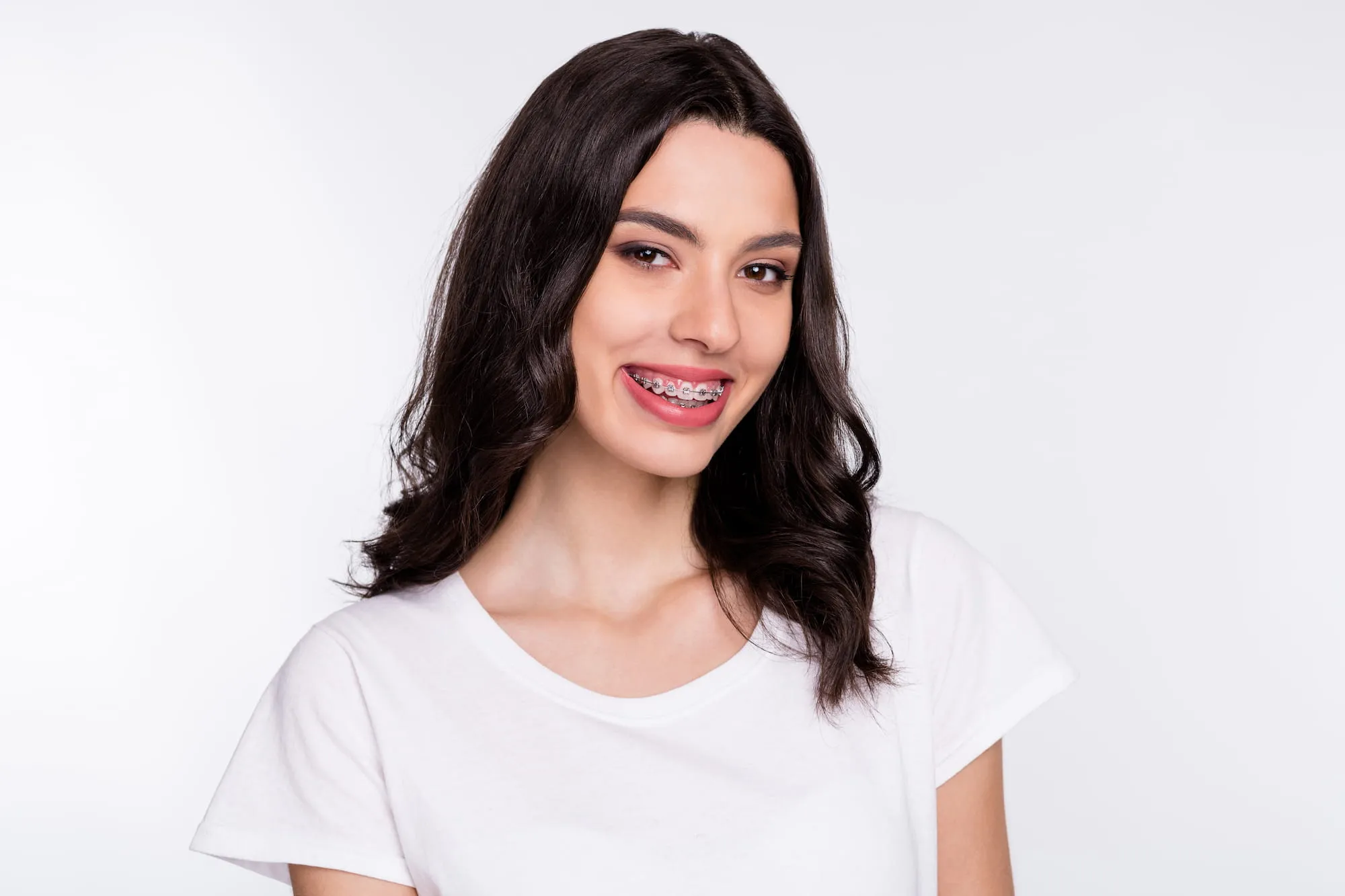
What Are the Most Popular Adult Braces Options in 2026?
The most popular adult braces options in 2026 include clear aligners, traditional metal braces, ceramic (clear) braces, lingual (behind-the-teeth) braces, and self-ligating systems. Adult braces are orthodontic appliances designed for patients 18 and older who want straighter teeth, better bites, and more self-confidence. Each option offers a different balance of discretion, comfort, and treatment speed.
More adults than ever are choosing orthodontics. Busy professionals, parents, and even retirees are walking into the practice asking for treatment that fits real life. The reason is simple. Today’s options look better, feel better, and work with your schedule.
Here’s a quick look at what’s trending:
- Clear aligners like Invisalign for nearly invisible treatment
- Ceramic braces with tooth-colored brackets
- Lingual braces that hide completely behind the teeth
- Self-ligating braces that reduce visits and friction
- Traditional metal braces for complex bite correction
One myth worth clearing up: you are not “too old” for braces. Adult bone responds well to orthodontic movement. As long as your gums and bone are healthy, your teeth can move at any age. Under the care of our skilled orthodontist and team, we treat patients in their 20s, 40s, 60s, and beyond, because ortho is for everyone.
The right option depends on your bite, your goals, and your lifestyle. That’s where a free consult with our team makes all the difference.
How Do Adult Braces Work?
Adult braces work by applying constant, gentle pressure that gradually shifts teeth into their ideal positions. Fixed braces use brackets and wires to guide movement, while clear aligners use a series of custom trays. Most adults complete treatment in 12 to 24 months, with retainers worn afterward to protect the new smile. The biology is the same at 25 or 65.
Here’s what the process looks like step by step:
- Free consult and digital scan. Our team maps your bite using advanced 3D imaging.
- Custom treatment plan. We design your movement plan based on your goals and timeline.
- Active treatment. You wear braces or switch aligners every one to two weeks.
- Periodic visits. Expect check-ins every 4 to 8 weeks for adjustments or new trays.
- Retention. A custom retainer keeps your results in place for the long haul.
Each visit is quick. With self-ligating systems and clear aligners, many adults need fewer in-office visits than they expect. That matters when you’re balancing work, family, and a packed weekly calendar.
A growing share of orthodontic patients today are adults. The reason is clear. Treatment fits modern schedules, and the technology keeps getting better with each passing year.
Once your active treatment wraps up, retainers do the quiet work of holding everything in place. Skip them, and teeth can drift back. Wear them as directed, and your results last for years to come.
Benefits of Getting Braces as an Adult
Straightening your teeth as an adult delivers four standout benefits: easier brushing and flossing for better oral beauty, a healthier bite that eases jaw strain, a noticeable boost in self-confidence, and long-term savings by preventing chips and gum issues. It’s an investment in both how your smile looks and how well it functions for life.
How Do Braces Improve Oral Hygiene?
Straight teeth are easier to brush and floss, which reduces your risk of decay and gum disease. Crowded teeth trap plaque in places your toothbrush can’t reach, so aligning them gives you a cleaner, healthier mouth day after day.
Can Adult Braces Help With Jaw and Bite Issues?
Misaligned bites can contribute to TMJ discomfort, jaw strain, and uneven tooth wear. Correcting how your teeth meet often relieves tension you didn’t even know you had, leaving your jaw happier and your smile more balanced.
How Do Braces Boost Adult Self-Confidence?
Adults consistently tell us their new smile changed how they show up at work, on dates, and in photos. Get the confidence you need to make a brilliant first impression.
Do Straight Teeth Save Money Long Term?
Preventing chips, cracks, and gum issues now can save you significant money on restorative care later. A well-aligned smile is easier to maintain and less prone to costly complications down the road.
Here are the most common benefits adult patients report after treatment:
- Easier brushing and flossing
- Reduced jaw tension and headaches
- More even tooth wear over time
- Improved speech and chewing
- A smile they’re proud to share
Treatment is a meaningful investment in your future self and your everyday well-being.
Comparing the Top Adult Braces Options for 2026
Picking the right braces option really comes down to your daily lifestyle, how complex your bite is, and how visible you want your treatment to be. Here’s how the top options stack up side by side.
What Are Clear Aligners (Invisalign)?
Invisalign uses a series of custom, removable trays to gently shift teeth. They’re nearly invisible, easy to clean, and let you eat whatever you want. Our team has extensive experience with Invisalign and handles even the trickier cases with confidence, having guided countless Los Angeles adults toward straighter smiles.
What Are Metal Braces?
Today’s metal braces are smaller, lighter, and more comfortable than the ones you might remember. They handle complex movements well and are often the most simple, affordable choice for adults seeking reliable results.
What Are Ceramic (Clear) Braces?
Ceramic braces use tooth-colored brackets that blend in with your smile. They give you the predictability of fixed braces with much more discretion, which makes them a favorite among adults who want subtle correction.
What Are Lingual Braces?
Lingual braces are bonded to the back of your teeth, making them completely hidden from view. They’re a great choice for adults who speak in front of cameras, courtrooms, or boardrooms.
What Are Self-Ligating Braces?
These braces use a built-in clip instead of elastic ties, which can mean fewer adjustments and a smoother feel against your cheeks. Great for patients who want efficient treatment with less time in the chair.
What Affects the Cost of Adult Braces?
Several factors determine the cost of adult braces, including the type of appliance you choose, how complex your case is, how long treatment takes, and whether your insurance contributes. Clear aligners and lingual braces typically cost more than metal options, while accelerated orthodontics can add to the total. Most practices offer monthly payment plans to keep treatment simple & affordable for every budget.
Here are the key cost factors to keep in mind:
- Treatment type. Lingual and clear aligners generally sit at a higher price point than traditional metal braces.
- Case complexity. Minor crowding costs less to correct than significant bite issues or rotated teeth.
- Treatment length. Longer treatment plans require more visits and materials.
- Insurance coverage. Many dental plans now include orthodontic benefits for adults.
- Payment plans. Flexible monthly options spread the investment across your treatment.
- Accelerated options. Technology that speeds up treatment may add to upfront cost but shortens your timeline.
Our practice offers a Payment Calculator on our website so you can explore your options before your free consult. Many Los Angeles patients appreciate seeing the numbers up front. No surprises, just clarity from the very first visit.
Are You a Candidate for Adult Braces?
Most healthy adults are excellent candidates for braces. Age isn’t a barrier. What matters is the health of your gums, the strength of your bone, and your commitment to wearing your appliance as prescribed. Led by Dr. Madan and her team, our practice has helped Los Angeles adults of every age reach their smile goals.
You may be a strong candidate if:
- Your gums and bone are healthy
- You have crowding, spacing, or bite issues you’d like to address
- You’re ready to commit to retainers after treatment
- You want to improve both function and appearance
Lifestyle plays a role in choosing the right option. If you travel often, host meetings, or appear on camera, clear aligners or lingual braces may suit you best. If you want a set-it-and-forget-it option, fixed braces might be the better fit.
Some conditions need attention before starting. Active gum disease, untreated cavities, or significant bone loss should be addressed first. Our team works closely with your general dentist to make sure you start treatment on the strongest possible foundation.
The only way to know for sure is a free consult. We’ll review your bite, take a digital scan, and walk you through every option that fits your smile goals.
Frequently Asked Questions About Adult Braces
Am I too old to get braces?
No. Healthy adults of any age can benefit from braces. Teeth respond to orthodontic pressure throughout life, and we regularly treat patients in their 40s, 50s, 60s, and beyond. The key factors are healthy gums and bone, not your birthday.
How long do adult braces take to work?
Most adults complete treatment in 12 to 24 months, though some mild cases finish in as little as 6 months and complex bites can take longer. Your treatment time depends on your starting bite, the option you choose, and how consistently you wear aligners or follow care instructions.
Which braces are least noticeable for adults?
Lingual braces are the most discreet because they’re bonded behind your teeth and completely hidden. Clear aligners come in a close second, as they’re nearly invisible when worn. Ceramic braces are also a popular choice for adults who want fixed braces with a subtler look than traditional metal.
Do adult braces hurt?
You may feel mild pressure or tenderness for a day or two after adjustments or when switching aligners. This sensation is a sign your teeth are moving as planned. Most patients find it very manageable, and over-the-counter remedies plus soft foods help during the first few days of each new stage.
Can braces fix TMJ and bite problems?
Braces can correct many bite issues that contribute to TMJ symptoms, including overbites, underbites, crossbites, and uneven tooth contact. By aligning how your teeth meet, orthodontic treatment often reduces jaw strain and related headaches. A free consult with our team can determine whether your TMJ symptoms are connected to your bite. Leaning toward Invisalign, ceramic braces, or something completely hidden, our team will help you explore your options at your free consult. Love yourself, love your smile.