
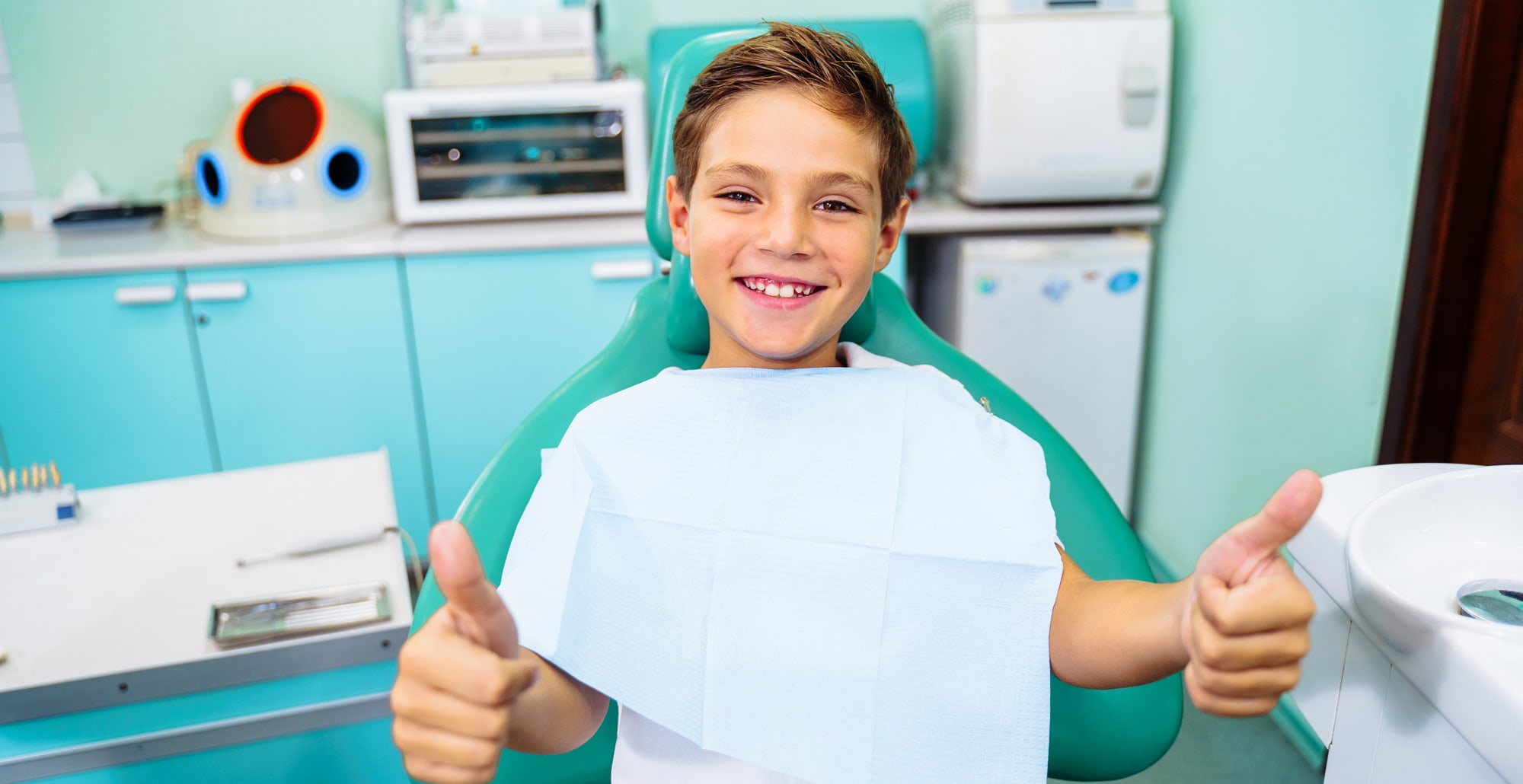
How Do You Find a Child-Friendly Orthodontist in Beverly Hills?
A child-friendly orthodontist combines real experience treating growing children with visits that children can actually handle: clear explanations, short waits, gentle records and a team that talks to the child, not just the parent. Bright decor helps, but the clinical approach matters more than the waiting room.
Parents in Beverly Hills have no shortage of choices, which makes it harder, not easier, to tell which practices are genuinely set up for kids. This guide covers what child-friendly really means, the signs to look for in the clinical care and the visit itself, the questions to ask, and how to tell after one appointment whether a practice is a good fit for your family.
What Does Child-Friendly Actually Mean for an Orthodontist?
The phrase gets used loosely. In practice it comes down to three things working together.
Clinical experience with growing children
Children are not small adults. Their jaws are still growing and their permanent teeth are still arriving, which changes what treatment can achieve and when. A child-friendly orthodontist treats children regularly and knows how to use growth to the patient’s advantage.
A visit designed around a child’s attention span
Children cope best with appointments that move efficiently, explain each step and avoid long waits in the chair. A practice that runs on time is doing children a real favor.
A team that includes the child in the conversation
Children cooperate better when they understand what is happening and why. The best teams explain things in age-appropriate language and give children a role in their own care, especially with wear routines at home.
What Signs Suggest Your Child Should See an Orthodontist?
Many parents start looking for an orthodontist because they have noticed something. These are the signs most worth acting on. Our guide to the signs your child needs orthodontic treatment goes further.
Crowded, crooked or gapped teeth
Permanent teeth arriving crooked, overlapping or with large gaps can point to a space problem that is easier to manage while the jaws are still growing.
A bite that does not line up
Overbites, underbites and crossbites are often visible to parents: upper teeth sitting far ahead of the lower teeth, lower teeth in front of the upper ones, or teeth that meet on the wrong side.
Baby teeth lost too early or too late
When baby teeth come out much earlier or later than expected, the permanent teeth behind them may not have the room or the guidance they need.
Jaw shifting or uneven growth
A jaw that shifts to one side when your child closes, or a face that looks increasingly uneven, can signal a growth issue that early treatment is designed to guide.
Habits and function
Difficulty chewing, persistent thumb-sucking or regular mouth breathing are worth mentioning at an evaluation, because they can affect how the teeth and jaws develop.
What Clinical Signs Show a Practice Is Good With Kids?
Start with the care, because a pleasant office cannot make up for the wrong treatment timing.
They recommend a first evaluation by age 7
The American Association of Orthodontists recommends a child’s first orthodontic evaluation by age 7. A practice that follows that guidance, and is comfortable telling you when treatment can wait, understands growth.
They offer early (Phase I) treatment when it is needed
Interceptive treatment guides jaw growth while baby teeth are still present, to prevent more severe problems later. At BHO we treat Phase I cases and have seen children as young as 5 begin treatment planning when there is a concern. See our guide to early orthodontic treatment for how it works.
They are equally comfortable saying “not yet”
Early evaluation does not mean early treatment. A child-friendly orthodontist will often recommend monitoring rather than starting, and explain exactly what they are watching for.
They offer options suited to children
Look for a range: durable metal braces for younger children, clear ceramic braces for image-conscious preteens, custom options such as LightForce, and Invisalign First for suitable younger patients. Our braces for kids page covers each one.
They plan treatment around the whole child
Good pediatric planning considers more than the teeth: a child’s age, maturity, activities and how they feel about appearance all shape which option will actually work. An orthodontist who asks about sports, music and school, and listens to the child’s own preferences, is far more likely to choose a plan your child will stick with for the long run.
How Should the Visit Itself Feel for Your Child?
This is where a practice’s attitude toward children becomes visible.
Records without the gag reflex
Traditional impression trays are one of the things children dislike most. At BHO we use 5D iTero digital scanning to build a 3D model of the mouth instead, which most children find much easier.
Explanations a child can follow
A good clinician shows a child what is happening, tells them what they will feel and checks in as they go. Fear usually comes from not knowing what comes next.
Short, predictable appointments
Children handle short, predictable visits far better than long, uncertain ones. Ask how long a typical adjustment or check-in takes.
A plan for the occasional emergency
Loose brackets and poking wires happen, usually at inconvenient times. A practice good with kids tells you exactly what to do and how quickly your child can be seen. Our orthodontic emergency guide covers the common ones.
How Do You Compare Practices in Beverly Hills?
When you are choosing between two or three practices, this checklist keeps the comparison practical.
| What to compare | Child-friendly sign | Worth a closer look |
|---|---|---|
| Treatment timing | Recommends evaluation by age 7, monitors when appropriate | Starts every child immediately, or never sees young children |
| Options for kids | Several fixed and aligner options suited to age | One appliance for every child |
| Records | Digital scanning | Only traditional impressions |
| Communication | Explains directly to the child | Talks only to the parent |
| Scheduling | On-time appointments, family-friendly booking | Long waits as a matter of routine |
| Emergencies | Clear instructions and prompt help | No clear process for after-hours issues |
Family scheduling is a real factor
If you have more than one child in treatment, or a parent in treatment too, coordinated appointments save a lot of driving. At BHO we see families together where we can — see family orthodontics at BHO.
Location matters over two years
Orthodontic treatment involves regular visits, often after school. Our Beverly Hills-area office at 2080 Century Park East sits between Beverly Hills High School and Century City Mall, and we have four Los Angeles-area locations in total.
What Questions Should You Ask at the First Visit?
A short list of questions will tell you most of what you need to know.
How often do you treat children my child’s age?
Experience with a specific age group shows up in timing decisions and in how comfortable a child feels in the chair.
Does my child need treatment now, later or not at all?
A confident, specific answer — including “not yet” — is a good sign. Vague urgency is not.
Which options suit my child, and why?
The answer should start with the bite and growth, then move to habits and preferences.
What will you need from us at home?
Every option asks something of the family, whether that is brushing around brackets or keeping track of aligners. Knowing up front prevents frustration later.
Who will my child see at each visit?
Children settle faster with familiar faces. Ask who will treat your child and who manages the plan.
How Do You Prepare Your Child for the First Visit?
A little preparation turns an unfamiliar appointment into an easy one.
Explain it simply and positively
Tell your child the orthodontist is going to look at their teeth, count them and take pictures. Avoid words like “hurt” or “shot,” which plant worries that are not relevant to a first visit.
Let them ask their own questions
Encourage your child to think of a question for the orthodontist. Children who feel involved are usually calmer and more cooperative.
Bring what the team needs
Bring your child’s dental and medical history, any notes from your dentist and a list of what you have noticed. It makes the visit faster and more useful.
Go together, and stay involved
Being in the room helps most children relax, and it means you hear the recommendation first-hand. Ask the team whether you can stay with your child for the exam.
Pick a good time of day
Book when your child is rested and fed rather than squeezing the visit in at the end of a long day.
How Can You Tell After One Visit Whether It Is the Right Fit?
Your child’s reaction on the drive home is useful information.
Your child understood what happened
If your child can tell you, in their own words, what the orthodontist looked at and what happens next, the team communicated well.
You understood the recommendation
You should leave with a clear diagnosis, the options and a next step, without feeling rushed into a decision.
Nobody pushed
A child-friendly practice is comfortable with you taking time to decide. Pressure is a poor sign in any orthodontic practice and a worse one where children are concerned.
Frequently Asked Questions About Child-Friendly Orthodontists
What age should my child first see an orthodontist?
The American Association of Orthodontists recommends a first evaluation by age 7. Earlier is reasonable if you have a specific concern or a family history of orthodontic problems.
Is a pediatric dentist the same as an orthodontist?
No. A pediatric dentist provides general dental care for children. An orthodontist has completed specialty training in tooth movement and jaw growth. Many children see both.
Will my child’s first visit hurt?
No. A first evaluation is an examination and records, which with digital scanning involves no impression trays. There is nothing painful about it.
What if my child is anxious about the orthodontist?
Tell the team in advance. Explaining each step, keeping visits short and letting your child see the tools first all help. Anxiety usually fades once the visit is familiar.
Bring Your Child In for a Free Evaluation
The best way to judge whether a practice is right for your child is to see how they are treated at a first visit. Request a free consultation at any of our four Los Angeles-area locations, or call or text us at (310) 785-0770.