
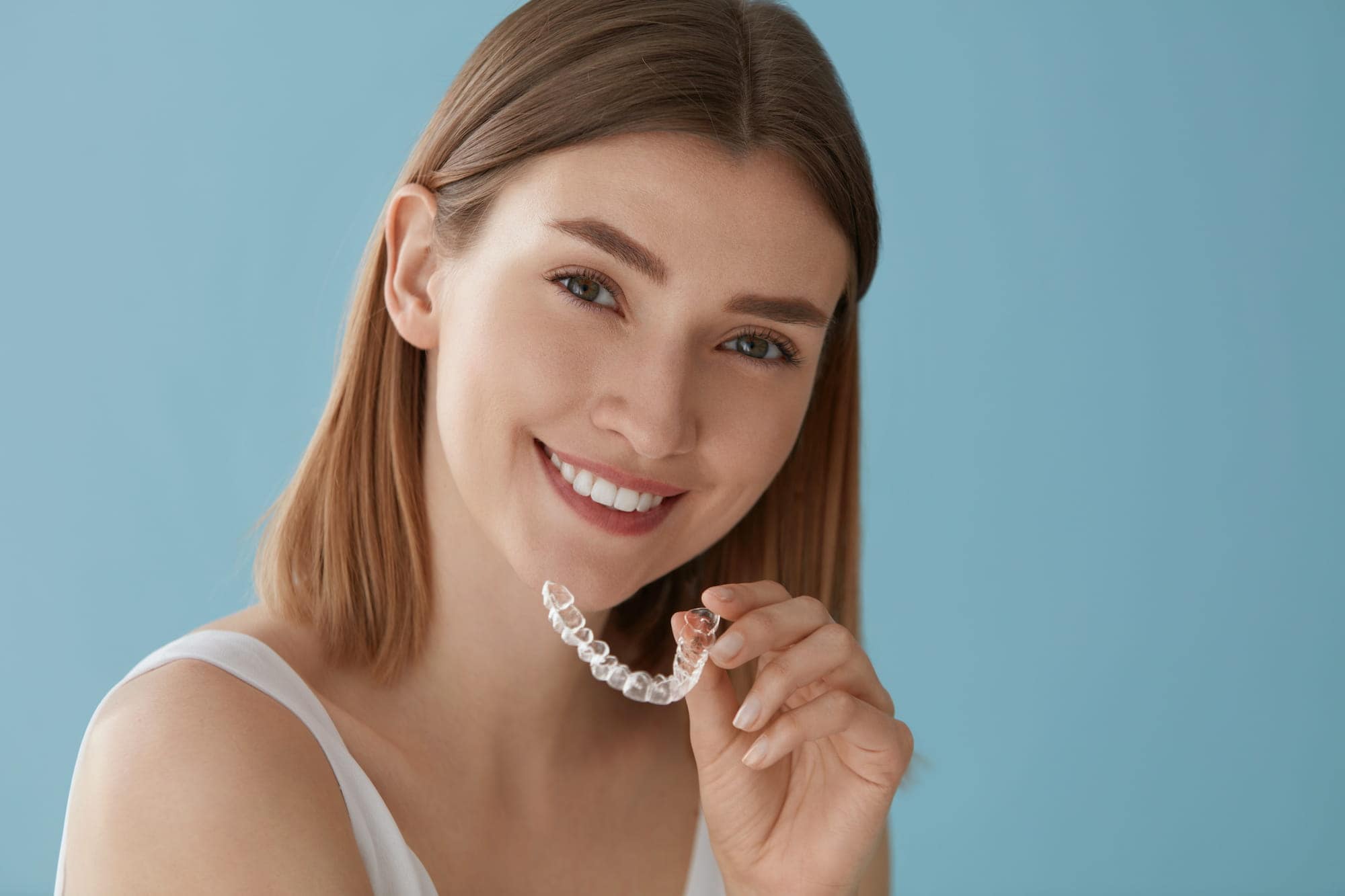
Do I Need to Wear My Retainer Forever?
After months — or even years — of wearing braces or Invisalign, you’ve finally reached the finish line. Your teeth are straight, your bite feels balanced, and your smile has never looked better. But just when you think the journey is over, your orthodontist hands you a retainer and says, “Wear this… forever.”
So, do you really need to wear your retainer for life? And what does “forever” actually mean in the world of orthodontics?
In this blog, we’ll break down what long-term retention is, why it matters, and how to make it work for your lifestyle — so you can keep your smile looking great for decades to come.
Why Do You Need a Retainer After Braces or Invisalign?
Once your teeth are aligned, they’re not locked in place permanently. Your body needs time to stabilize the new positioning — and even after that, natural forces like aging, bite pressure, and genetics can cause your teeth to shift back over time.
This process is called orthodontic relapse, and it’s surprisingly common. Without a retainer, many people notice their teeth slowly returning to their original position — especially in the first year after treatment.
Retainers help:
- Hold your teeth in their new position as your bone and ligaments adapt
- Prevent unwanted shifting over the long term
- Protect your investment in a straighter, healthier smile
Do You Really Have to Wear It Forever?
Technically, yes — if you want your results to last a lifetime. But don’t worry: “forever” doesn’t mean wearing it 24/7.
Here’s how retainer wear typically works over time:
- First 3–6 months: Wear your retainer full-time (day and night), except while eating or brushing.
- 6–12 months: Your orthodontist may allow you to transition to nighttime-only wear.
- After 1 year: Nightly wear becomes your long-term maintenance routine.
This long-term wear — even just a few nights a week — dramatically reduces your risk of relapse. Skipping it altogether, however, often leads to noticeable shifting within a year or two.
What If I Stop Wearing My Retainer?
If you stop wearing your retainer, your teeth may start to shift — sometimes subtly, sometimes more dramatically. The longer you go without it, the more difficult it becomes to get back to your post-treatment alignment without additional orthodontic care.
Some signs of shifting include:
- Your retainer no longer fits or feels tight
- Gaps or crowding reappearing
- Changes in how your teeth come together when you bite
If it’s been a while since you last wore your retainer and you’re noticing changes, schedule an appointment to check in. Early intervention can prevent the need for a full second round of treatment.
Types of Retainers and How They Affect Long-Term Wear
There are two main categories of retainers — and each comes with its own pros and cons for long-term retention:
Removable Retainers
- Hawley retainers: Acrylic and wire appliances that are durable and adjustable.
- Clear retainers (like Essix): Discreet and comfortable but may need replacement every few years.
Removable retainers are easy to clean and allow flexibility, but they require consistency. If you forget to wear them regularly, relapse becomes more likely.
Permanent Retainers
- Thin wire bonded to the back of the front teeth
- Invisible from the outside and always working
These retainers are great for patients who want a set-it-and-forget-it approach, especially for lower front teeth. However, they require good hygiene and occasional checkups to ensure they remain intact.
How to Make Long-Term Retainer Wear Easier
Wearing a retainer for life doesn’t have to be difficult. Here are some practical tips to make it part of your routine:
- Keep your retainer by your bed to remember nighttime wear
- Clean it regularly with cool water and gentle cleanser
- Store it in its case to avoid damage or loss
- Consider a backup retainer for travel or emergencies
Your orthodontist can help recommend a retainer style that fits your lifestyle and comfort level, ensuring better long-term success.
Retention Is the Final (and Most Overlooked) Step
Orthodontic treatment doesn’t end when the braces come off — retention is a key phase of keeping your teeth aligned. Think of your retainer as long-term insurance for your new smile.
With minimal effort, you can maintain your results for life and avoid the frustration of teeth shifting back. Just a few nights a week is often all it takes to protect what you’ve worked so hard to achieve.
Ready to Protect Your Smile for Life?
Schedule your post-treatment consultation with Beverly Hills Orthodontics and get a long-term retention plan tailored to your smile.