
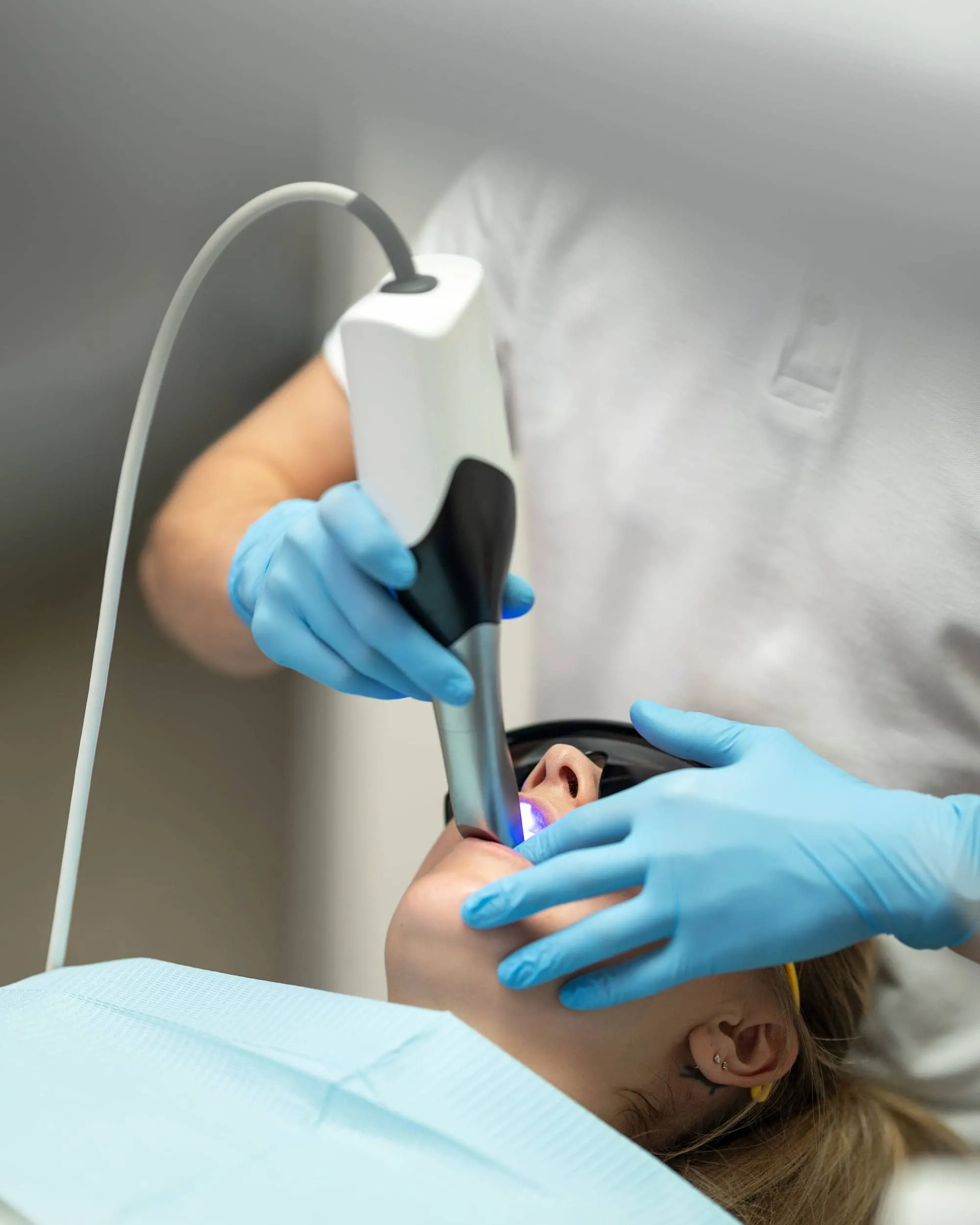
Orthodontic treatment has come a long way, and today’s patients want more than straight teeth. They want comfort, efficiency, and a treatment experience that fits their lifestyle. One of the most exciting innovations in modern orthodontics is light therapy for braces—a non-invasive method used to support faster tooth movement, reduce discomfort, and enhance overall treatment experience.
If you’re in Los Angeles and considering braces or are currently undergoing orthodontic care, understanding how light therapy works and who stands to benefit can help you decide whether it’s a good addition to your smile journey.
What Is Light Therapy for Braces?
Light therapy, also known as photobiomodulation (PBM) or low-level light therapy (LLLT), uses specific wavelengths of light (often red or near-infrared) to stimulate cellular activity in bone and soft tissues. Unlike lasers used for cutting, PBM uses light at low energy levels that does not heat or damage tissue. Instead, it encourages the body’s natural biological processes that support tooth movement and tissue health.
In the context of braces, light therapy is designed to work in harmony with the mechanical forces applied by brackets and wires to enhance how your body responds, from the very first adjustment through to the final alignment.
How Light Therapy Works With Braces
To understand how light therapy enhances orthodontic treatment, it helps to know what happens biologically when your teeth move.
Braces apply controlled pressure to teeth, signaling the bone and surrounding tissues that remodeling (breakdown and rebuilding of bone) needs to occur. This process is driven by cells in the periodontal ligament and bone—and it’s energy-dependent. Light therapy boosts cellular energy (ATP) in these cells, helping them function more efficiently.
Here’s how it works:
- Light penetrates soft tissues — Light from a handheld or docked device is directed toward the gums and bone around the teeth.
- Cells absorb light energy — Specialized receptors in the mitochondria of cells absorb the light, increasing energy production and signaling.
- Enhanced biological response — With more energy available, cells involved in remodeling and healing respond more effectively.
As a result, teeth may respond more predictably to orthodontic forces, and the body can adapt with less inflammation and discomfort.
Benefits of Light Therapy for Braces
Light therapy offers some compelling benefits — particularly for patients who are sensitive to discomfort, want to optimize treatment time, or are seeking a gentle, science-backed way to support their braces journey.
Reduced Discomfort & Inflammation
One of the most noticeable benefits of light therapy for braces is relief from soreness and inflammation, especially after adjustments. Many patients describe a feeling of tenderness after their braces are tightened. Light therapy helps calm irritated tissues and improve circulation, which can ease soreness without pain medication.
Enhanced Bone & Tissue Response
By supporting the biological processes behind bone remodeling, light therapy may help teeth move more efficiently in response to orthodontic forces. While it doesn’t replace the mechanical action of braces, it creates an environment where the body is better equipped to keep up with the movement being guided by your orthodontist.
Non-Invasive & Comfortable
Unlike invasive methods that aim to accelerate tooth movement, such as corticotomies or surgical interventions, light therapy is completely non-invasive. There are no incisions, no anesthesia, and no recovery period. Sessions are quick and generally pain-free.
Supports Overall Orthodontic Well-Being
Because light therapy helps with circulation and cellular repair, it may support gum health and soft tissue adaptation around braces. That means not just comfort during tooth movement, but potentially better tissue resilience throughout treatment.
Does Light Therapy Speed Up Braces?
One of the most common questions patients ask is: Can light therapy actually speed up braces?
The honest answer is: Light therapy doesn’t push teeth faster on its own, but it can enhance your body’s ability to respond to orthodontic forces. By optimizing cellular activity and reducing inflammation, photobiomodulation creates biological conditions that may lead to more efficient tooth movement.
However, it’s important to have realistic expectations: the amount of acceleration varies by individual, and light therapy is best viewed as a supportive enhancement rather than a “magic speed booster.”
What to Expect During Light Therapy Sessions
Light therapy for braces is typically administered either in-office or with a take-home device your orthodontist provides. Here’s what you can expect:
- Duration — Sessions are short—often just a few minutes per jaw.
- Frequency — Many patients use light therapy sessions in conjunction with adjustments or as recommended by their orthodontist.
- Sensation — Most people feel little to nothing during treatment—sometimes a mild warmth—but no pain or discomfort.
- Convenience — If administered at home, usage is typically uncomplicated and built into your daily routine.
Who Can Benefit Most From Light Therapy?
Light therapy for braces is not just for one specific type of patient, but some groups may find it particularly helpful:
- Patients Sensitive to Discomfort — Light therapy can help soothe and reduce inflammation, so you stay more comfortable throughout treatment.
- Busy Professionals and Adults — For patients juggling work or a full schedule, this option supports efficient appointments and quicker recovery.
- Teens and Younger Patients — It provides a more comfortable start to treatment and builds a positive early experience.
- Anyone Seeking a Smoother Orthodontic Journey — Even without soreness, it can enhance biological response and support progress.
Is Light Therapy Safe?
Yes—light therapy (photobiomodulation) is safe when used properly. The low-level light used in PBM does not involve heat, cutting, or radiation. Devices are designed to be gentle and are cleared for therapeutic use.
As with any orthodontic adjunct, light therapy should be recommended and supervised by a trained orthodontist. Not every patient will need it, but for those who choose it, light therapy can be a safe and comfortable complement to braces.
Cost Considerations
Because light therapy is an adjunctive treatment, costs can vary depending on how it’s offered:
- In-office sessions — May be included with certain treatment packages.
- At-home devices — Some practices provide take-home tools as part of an enhanced care plan.
- Insurance coverage — Most orthodontic insurance plans do not cover light therapy specifically, but it’s worth checking.
Final Thoughts: Light Therapy & Braces
Modern orthodontics is about more than straight teeth—it’s about comfortable, predictable, and patient-centered care. Light therapy for braces gives patients in Los Angeles a non-invasive option to support their body’s response to treatment, reduce discomfort, and feel better throughout their smile journey.
Ready to Explore Light Therapy for Braces in Los Angeles?
Want to reduce soreness and support a faster, smoother treatment? Schedule a consultation with Beverly Hills Orthodontics today to learn how light therapy can help you get the most out of your braces experience.